
How To Manage Allergen Control In A Multi-Species Feed Mill
Multi-species feed mills face complex challenges when producing different animal feed categories within shared facilities. Effective allergen control requires careful process management, equipment planning, cleaning procedures, and accurate labelling systems. This guide explains practical approaches for reducing cross-contact risks while maintaining efficient feed production operations.
Allergen Matrix Management In Feed Production
An allergen matrix helps feed manufacturers identify ingredients, processing risks, and possible cross-contact points throughout production. Companies review raw materials and production sequences to create suitable control plans. Proper evaluation supports safer operations across facilities handling multiple species feed formulations.
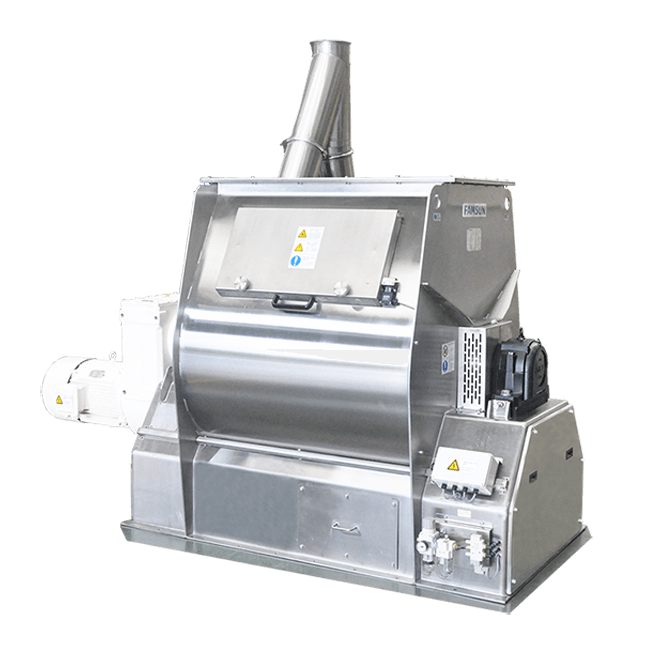
A feed machinery system should support production requirements while allowing effective management of different feed categories. Equipment arrangement, material flow, and process separation influence allergen control performance. Engineers evaluate these factors when designing production layouts for complex multi-species manufacturing environments.
Ingredient classification is an important part of allergen management because different materials may require specific handling procedures. Production teams analyze incoming materials and processing routes. They develop control measures based on ingredient characteristics, helping reduce the risk of unintended cross-contact and reduce unintended mixing between formulations.
FAMSUN provides feed processing solutions, and supports customers with engineering approaches related to production requirements. Their equipment designs consider practical manufacturing conditions. A suitable feed machinery configuration helps companies manage production processes while addressing operational challenges in multi-species feed facilities.
Dedicated Equipment And Process Separation
Dedicated equipment can help reduce cross-contact risks when processing materials with different requirements. Feed manufacturers evaluate whether separate machines, production areas, or handling systems are needed. These decisions depend on product categories, production volumes, and facility management strategies.
Careful planning is required to maintain controlled material movement within a feed plant machinery system. Equipment placement, conveying routes, and storage arrangements influence production safety. Companies review these factors during project development to support effective allergen control throughout the entire manufacturing process.
Production scheduling also contributes to allergen management because processing order affects cleaning requirements. Manufacturers organize production sequences to reduce potential contamination opportunities. They combine operational planning with equipment capabilities to create smoother workflows across different feed product categories.
Effective separation requires coordination between technical systems and daily operating procedures. FAMSUN works with industry customers, and they provide solutions that consider process requirements and facility conditions. Their engineering support assists companies develop practical approaches for managing complex feed production operations.
Cleaning Validation And Quality Assurance
Cleaning validation confirms whether equipment surfaces and production areas meet required hygiene conditions after processing. Feed manufacturers establish procedures to verify cleaning effectiveness. Regular checks allow companies maintain consistent standards when operating facilities that handle multiple feed formulations.
A feed plant machinery system must allow practical cleaning access and maintenance management. Equipment design influences how easily operators can remove residues from processing areas. These considerations help companies improve cleaning efficiency and support reliable production quality across different feed applications.
Validation procedures may include inspection methods and performance checks after cleaning activities. Production teams evaluate results to confirm that cleaning processes achieve expected outcomes. This approach provides evidence that equipment management practices support allergen control objectives within feed manufacturing facilities.
Quality management requires cooperation between production staff, engineering teams, and laboratory personnel. They review process information and monitor control measures. Technical solutions can address customer needs while considering operational requirements for feed processing systems across various applications.
Labelling Control And Production Management
Accurate labelling helps ensure finished feed products contain correct information for customers and supply chains. Feed manufacturers establish control systems to maintain product identification throughout production. Proper management reduces confusion when multiple species feed products are manufactured within the same facility.
A feed plant machinery setup influences traceability because material movement and production records depend on system organization. Companies monitor ingredient usage, processing stages, and finished product handling. These practices support better control over product information and manufacturing accuracy.
Multi-species facilities require coordinated management between equipment operation and documentation procedures. Production teams maintain records related to ingredients, cleaning activities, and product batches. This information helps businesses review processes and improve allergen control strategies over time.
Labelling control works together with production planning and quality assurance systems. These systems assist manufacturers maintain clear product information from raw materials to final delivery. Consistent management practices support customer confidence and help companies meet operational expectations across different markets.
Integrated Allergen Control Strategies
Allergen control requires cooperation between facility design, equipment selection, cleaning validation, and quality procedures. Feed manufacturers evaluate each area to create comprehensive management plans. A complete approach helps reduce risks while maintaining efficient production performance in multi-species operations.
Feed machinery improvements can support better separation, easier cleaning, and smoother material handling. Companies assess equipment functions based on their production needs. Proper system integration helps manufacturers maintain operational flexibility while applying effective allergen management practices.
Feed producers continue reviewing production processes as formulations and market requirements change. Regular evaluations help identify potential improvement areas. They analyze equipment performance, cleaning results, and documentation systems to maintain reliable control measures throughout daily operations.
A structured allergen control program supports long-term feed mill reliability. FAMSUN provides engineering experience for feed processing projects, and they assist customers with solutions designed around specific production conditions. Careful planning helps enterprises balance manufacturing efficiency with product quality requirements.
Conclusion
Managing allergen control in a multi-species feed mill requires attention to allergen matrices, dedicated equipment, cleaning validation, and labelling control. Integrated management practices help manufacturers reduce cross-contact risks while maintaining efficient production. Proper engineering and operational planning support reliable feed manufacturing performance.