Evaluating Investment and Pricing Factors for an Intense Pulsed Light Machine
For directors of plastic surgery hospitals, dermatology clinics, and independent laser centers, equipment acquisition decisions represent a major strategic investment. Selecting professional medical aesthetic devices requires balancing initial capital expenditure with long-term clinical versatility, durability, and return on investment. When evaluating options in the global marketplace, equipment buyers frequently analyze how manufacturing standards, technological configurations, and after-sales support influence the overall pricing structure of professional aesthetic systems.
Operating as an established industry innovator, ENZOEYS holds over 100 core patents and integrates advanced international technologies into their device manufacturing. Having obtained their Class II Medical Device Production License in 2025, they maintain an integrated industrial base that ensures an independent, controllable supply chain and optimized delivery timelines.
ENZOEYS delivers professional aesthetic solutions to clients across Europe, Southeast Asia, East Asia, and Belt and Road regions, backed by strategic partnerships with Japanese and South Korean enterprises. Their super-photon systems are engineered for customized multi-band treatments that minimize patient discomfort while maximizing clinical outcomes, meeting the strict configuration requirements expected by medical aesthetic specialists. Comprehensive performance validation before shipment also helps reduce early-stage faults and stabilises performance once deployed at clinic sites.
Understanding Pricing Dynamics Behind an Intense Pulsed Light Machine for Sale
A frequent inquiry among clinical procurement managers and medical equipment distributors is: What core factors drive the wide price variance observed across different light-based aesthetic devices, especially for an intense pulsed light machine for sale, in the B2B market?
When examining market offerings, the pricing of a professional intense pulsed light machine for sale is rarely arbitrary; rather, it reflects the underlying engineering, optical precision, and safety certifications of the unit. Entry-level systems may feature simplified configurations and basic cooling mechanisms, whereas advanced multi-functional platforms incorporate sophisticated capacitor charging boards, high-grade xenon lamps, and interchangeable optical filter arrays. These high-end components ensure steady fluence delivery and prolonged operational lifespans, which directly affect the total cost of ownership for busy clinics.
In real-world operational scenarios, a multi-specialty dermatology clinic processing dozens of treatments daily requires equipment capable of maintaining output stability during extended operational hours. Devices equipped with advanced real-time calibration sensors prevent energy degradation, reducing the frequency of costly maintenance interventions or premature component replacement. Consequently, buyers evaluating commercial quotes must look beyond the initial invoice price and assess the long-term reliability and configuration standard of the hardware.
Key Hardware Configurations Impacting Commercial Investment
Another critical question raised by clinic administrators during equipment selection is: How do internal specifications, such as cooling systems and filter modularity, justify higher device investments?
In professional practice, patient comfort and procedural safety are paramount. Systems that incorporate advanced contact cooling technologies—such as active sapphire tip cooling—effectively protect the epidermal layer during high-energy applications. Implementing these robust thermal management systems requires precise engineering, which influences manufacturing costs but significantly reduces the risk of adverse thermal side effects.
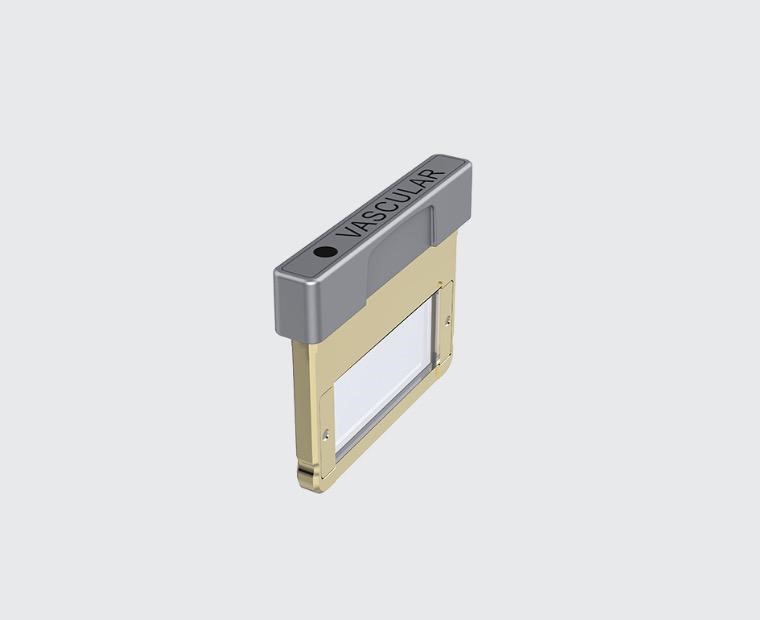
Furthermore, modular design versatility plays a crucial role in economic efficiency for growing practices. Rather than purchasing multiple single-purpose lasers, clinics often prefer versatile platforms that utilize interchangeable filters spanning from 515 nm to 1200 nm. This flexibility allows a single investment to address diverse indications, including vascular lesions, benign pigmented irregularities, and photorejuvenation. Equipment distributors and procurement committees note that multi-band capability enhances asset utilization across different departments within a medical facility.
Assessing Value Through an Advanced IPL Skin Rejuvenation Machine
Beyond raw hardware specifications, the software interface and clinical preset capabilities heavily influence the day-to-day utility and financial value of an IPL skin rejuvenation machine. A common question among senior practitioners is: Do advanced pulse control options translate to better clinical ROI for aesthetic practices?
Modern systems frequently feature dual operational modes, combining streamlined preset protocols for standard procedures with fully customizable parameter controls for complex cases. Precise control over pulse duration, sub-pulse intervals, and energy density allows practitioners to fine-tune treatments for varying skin phototypes. This adaptability minimizes downtime and enhances patient satisfaction, driving repeat visits and word-of-mouth referrals.
Moreover, working with manufacturers that provide reliable digital service platforms and compliant after-sales support minimizes operational disruption. When equipment downtime is minimized through efficient supply chains and accessible technical assistance, clinics protect their revenue streams. Professional endorsements from experienced dermatological specialists frequently underscore that partnering with manufacturers possessing certified production credentials ensures both clinical safety and long-term peace of mind for anyone investing in an IPL skin rejuvenation machine.
Final Takeaway
Navigating the market for professional aesthetic devices involves a careful assessment of technical specifications, manufacturing credibility, and long-term clinical utility. By looking beyond baseline acquisition costs and examining core engineering standards, optical stability, and modular flexibility, medical aesthetic facilities can make informed purchasing decisions that support sustainable business growth and high standards of patient care. Such thoughtful procurement also helps clinics stay adaptable as patient demand shifts toward gentler, multi-purpose light-based therapies.