
Why an SKU Matrix Helps Buyers Choose the Right Tablet Counting Machine
Packaging equipment decisions become difficult when one facility handles tablets of different sizes, shapes, and bottle counts. Published speed figures may not reflect every scheduled product. The matrix turns a mixed product portfolio into specific equipment requirements.
Instead of judging a tablet counting machine against one sample, purchasers can compare the full range of products it must process. The matrix records stock-keeping units, packaging formats, and operating demands. This clarifies discussions with suppliers before trials begin.
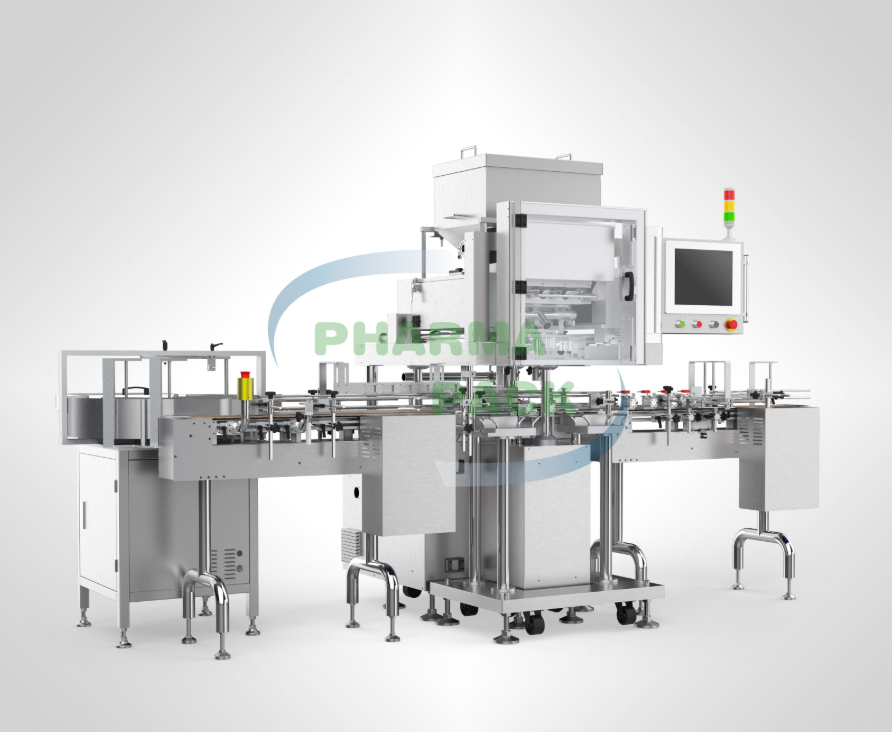
The Matrix Starts with Real Product Differences
Each row should represent one SKU or a clearly defined product variant. Useful columns include tablet dimensions, shape, coating, fragility, target count, bottle opening, and planned batch size. Teams should also record how frequently each item runs, rather than treating every SKU as equally important.
Product differences create feeding challenges. Small tablets behave differently from large oblong pieces, while surface coatings can alter movement through feeding paths. Buyers should request tests with representative samples rather than rely on generic specifications.
Bottle requirements deserve a separate set of columns. Neck diameter, container height, desired fill count, and closure format can affect equipment selection or line arrangement. Even when the tablet itself stays unchanged, a different bottle may require adjustments to guides, positioning, or downstream handling.
Production planners can add annual volume and order frequency. High-volume products may justify longer dedicated runs, while smaller orders may involve frequent changeovers. These details help purchasers assess whether the planned workflow matches the machine’s operating approach and the site’s staffing capacity.
How to Turn the Matrix into Selection Criteria
Begin by grouping SKUs with similar physical and packaging properties. Buyers can then identify the combinations that are likely to be difficult, such as fragile tablets paired with high counts or small bottle openings. Those combinations become priority cases for supplier demonstrations.
Speed should be assessed at the SKU level. Published capacity may reflect a favorable product and pack configuration. During a trial, teams can measure completed bottles per minute, counting accuracy, interruptions, and time spent clearing the equipment. Results should be recorded beside each tested SKU.
Pill counters also need to fit the surrounding line. Bottle feeding, inspection, capping, labeling, and carton packing may each set practical limits. Recording the intended upstream and downstream equipment helps buyers identify integration questions before selecting a counting station in isolation.
The matrix also needs acceptance criteria. For each product family, define the required counting tolerance, acceptable tablet condition, target output, and changeover procedure. Test records can then show where a configuration meets the agreed conditions and where further adjustment is needed.
Changeovers, Cleaning, and Recipe Management
SKU variety has a direct effect on daily operations. On a tablet counting machine, switching SKUs may involve removing remaining tablets, cleaning contact surfaces, adjusting feeding settings, and checking container guides. Buyers should document these tasks for each product family so that estimated changeover time reflects actual work.
Cleaning needs vary with the handled material and the production environment. The matrix can flag products that require separate handling procedures or additional checks before the next batch. Operators should verify accessible contact areas and dismantling steps through a demonstration rather than assume all models clean alike.
For pill counters, recipe management is another purchasing question. When settings can be stored, operators may spend less time entering familiar parameters, although setup checks remain necessary. Purchasers should ask which settings are saved, who can edit them, and how the correct recipe is linked to an SKU.
For factories evaluating Pharmapack equipment across several lines, an SKU matrix can support operator training. They supply counting equipment and packaging lines, but buyers still need product-specific trials and documented operating procedures.
Where Related Packaging Equipment Fits
The matrix can also show when a product needs a different filling process. Tablets generally call for counting, while powders call for filling equipment suited to their material form. Keeping these categories separate helps buyers avoid comparing unlike machines merely because both deliver product into bottles.
This distinction matters when reviewing the PFM-0202WR Powder Filling Machine. It is a powder filler, not a tablet counter. Its listed maximum production speed is 20 bottles per minute, depending on product size. That specification belongs in powder-product rows, not tablet-counting comparisons.
The PFM-0202WR uses stainless steel construction and a transparent hopper designed for tool-free dismantling and washing. Servo-motor filling control supports measured dosing, while screw positioning handles bottle infeed. Its PLC touchscreen provides a no-bottle, no-fill function, leaving the machine in standby when a bottle is absent.
The machine also stores up to 30 process-parameter recipes. When reviewing equipment from Pharmapack, buyers can use separate SKU fields for powders and solid-dose products. One group needs counting-performance data; another requires filling settings, cleaning procedures, and container-positioning checks.
Make the Matrix a Working Document
The value of an SKU matrix continues after equipment selection. Production teams can update it when bottle sizes change, new tablets enter the portfolio, or trials reveal operating limits. Shared records make it easier to explain why a particular configuration was selected.
For buyers comparing pill counters, the practical goal is not a single impressive speed figure. It is a documented fit between the product range, changeover workload, required output, and supporting packaging line. Supplier trials can then test the difficult SKUs rather than one convenient sample.