
Why Is First Aid Training Useful For People Of All Ages?
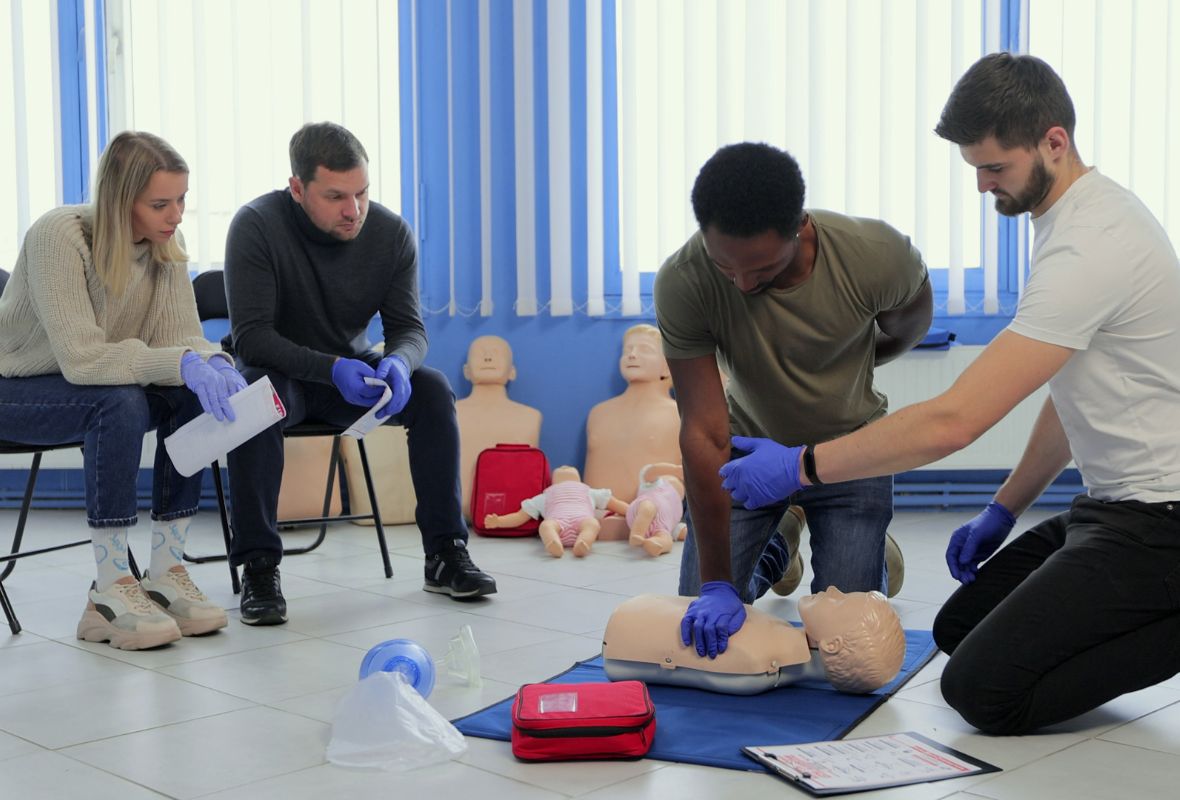
First aid is often associated with healthcare professionals or workplace safety officers, but its value extends far beyond these roles. People from all areas of life can benefit from first aid skills because emergencies can occur anywhere, at any time. Whether someone is a student, working professional, parent, or retiree, understanding how to respond during unexpected situations can provide practical advantages that last a lifetime.
First aid training is not limited to a particular age group. Instead, it equips individuals with skills that can be applied in everyday situations, helping create safer homes, workplaces, schools, and communities.
Helping Young People Develop Practical Life Skills
Young people benefit greatly from learning first aid because it introduces them to important real-world responsibilities. While academic education teaches valuable subjects, first aid training provides practical knowledge that can be applied immediately when needed.
Students who participate in a first aid course Adelaide often gain a stronger understanding of personal safety and risk awareness. Learning how to respond to common injuries or emergencies helps build confidence and encourages young people to become more responsible in different environments.
These skills can also support future educational and career opportunities by demonstrating initiative and preparedness.
Supporting Adults In Everyday Situations
For adults, daily life often involves balancing work, family responsibilities, and community activities. During these routines, accidents and medical emergencies can occur without warning.
People who complete first aid courses Adelaide gain valuable knowledge that can help them manage situations such as cuts, burns, falls, allergic reactions, and other incidents that may happen at home or in public places. This ability to respond calmly and appropriately can reduce confusion and improve outcomes while waiting for professional assistance.
Many adults find that first aid training provides reassurance because they know they have the skills to assist others during challenging situations.
Strengthening Workplace Readiness
Workplaces benefit when employees possess first aid knowledge. Regardless of the industry, every organisation faces potential safety risks that may require immediate attention.
Employees who participate in first aid courses often become more aware of workplace hazards and safety procedures. A safer workplace and a more robust preventative culture can result from this raised understanding.
In addition to helping during emergencies, trained employees may play a role in promoting safety discussions and supporting organisational health and safety initiatives.
Assisting Parents And Caregivers
Parents and caregivers frequently face situations where quick decision-making is important. Children are inherently energetic and inquisitive, which occasionally results in mishaps or injury.
First aid training helps caregivers understand how to respond appropriately during common childhood incidents. It can also provide valuable guidance on recognising symptoms that may require professional medical attention.
Having these skills allows caregivers to approach unexpected situations with greater confidence rather than uncertainty. This preparation can be particularly valuable during family activities, travel, or outdoor recreation.
Providing Benefits For Older Adults
The usefulness of first aid training does not diminish with age. Older adults often remain active in their families and communities, making first aid knowledge just as relevant later in life.
Many seniors take on caregiving responsibilities for spouses, relatives, or grandchildren. Understanding first aid principles can help them respond effectively to incidents such as falls, minor injuries, or sudden health concerns.
Additionally, first aid education encourages individuals to stay informed about personal health and safety practices, supporting overall wellbeing and independence.
Encouraging Community Participation
The potential of first aid training to improve communities is among its most beneficial features. When more people understand basic emergency response techniques, communities become better prepared to handle unexpected events.
Individuals with first aid knowledge may be able to assist at sporting events, community gatherings, schools, or public spaces before emergency services arrive. Their willingness to help can make a meaningful difference during critical moments.
This shared sense of preparedness helps create environments where people look out for one another and contribute positively to community wellbeing.
Conclusion
First aid training is useful because its benefits extend across every stage of life. Young people gain practical skills and confidence, adults become better prepared for daily challenges, parents strengthen their caregiving abilities, and older adults maintain valuable knowledge that supports independence and safety. By participating in first aid education, individuals develop skills that can be applied in countless situations while contributing to safer and more supportive communities. Regardless of age or background, first aid knowledge remains a practical and worthwhile investment.