
How SANVO Streamlines Private Label Services as a Spray Paint Manufacturer in China
Creating a successful private label aerosol product requires more than selecting an existing spray paint formula and adding a company logo. Brand owners must consider product positioning, user expectations, application requirements, and market competition before launching their own aerosol lines.
Companies searching for a spray paint manufacturer in China should look beyond the production line—the right partner helps convert market insights into real products. SANVO does exactly that, bringing together aerosol manufacturing know-how and solution-development experience to match different business goals.
With a well-managed private label process, brands can create products that are simpler to market, more reliable in use, and more responsive to what customers actually need.
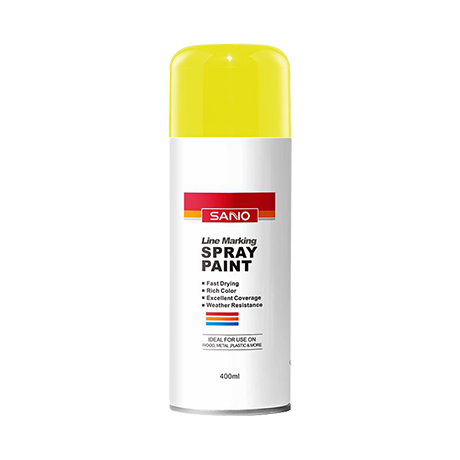
Private Label Success Starts With Product Positioning
Before any formulation or packaging decision is made, brands need a clear understanding of where the product will compete. Many private label projects struggle because the product concept is not clearly defined at the beginning.
A spray paint product tailored for professional users typically carries performance requirements quite different from those designed for household applications. Industrial buyers often weigh durability and coverage most heavily, while retail consumers gravitate toward ease of use, visual appearance, and overall convenience.
A professional manufacturer helps companies evaluate key questions:
Who will use the product?
What surfaces will be coated?
Which performance features matter most?
How should the product stand apart from competitors?
This initial positioning stage influences every later decision, including coating performance, packaging design, and product range planning.
From Brand Concept to Aerosol Product Architecture
A strong private label strategy involves building a complete product structure rather than developing a single item.
Many successful brands create multiple spray paint products that serve different market segments. For example, a product portfolio may include general-purpose coatings, specialized industrial applications, automotive repair products, or decorative finishes.
Developing this product structure requires consideration of:
Different application environments
Customer purchasing habits
Regional market preferences
Performance expectations
An experienced manufacturer can help organize these requirements into realistic production plans. Instead of simply producing individual orders, the supplier becomes involved in creating a product system that supports brand development.
This approach helps businesses build a more recognizable aerosol product identity.
Why Manufacturing Capability Influences Brand Reputation
For private label brands, product experience directly affects how customers perceive the company behind the product.
Users often judge spray paint quality through practical details such as spray smoothness, coverage ability, drying performance, and final appearance. Even small inconsistencies can influence repeat purchases and brand confidence.
Manufacturing capability plays an important role because aerosol products require precise control of multiple components. The interaction between paint formulation, filling process, aerosol pressure, and packaging design determines the final user experience.
A capable spray paint manufacturer in China understands that product quality is not only measured by laboratory results but also by how customers experience the product during actual use.
The Role of Technical Collaboration in Product Development
Private label projects often involve communication between teams with different areas of expertise. Brand owners understand their markets, while manufacturers understand formulation and production requirements.
Effective cooperation allows both sides to combine these strengths.
During development, discussions may involve:
Desired product performance
Suitable application methods
Material compatibility
Appearance requirements
Market-specific expectations
This collaboration helps avoid situations where a product meets manufacturing standards but does not fully match customer expectations.
A technically proficient manufacturer doesn’t just offer solutions—it offers guidance that fits the brand’s strategic direction, balancing practicality with market vision.
Creating Market Advantages Through Packaging and Product Presentation
Aerosol products compete not only through performance but also through visual communication. Packaging is often the first interaction between customers and a product.
Private label brands need packaging that clearly communicates product value, usage information, and brand identity.
Important considerations include:
Label design and information layout
Color presentation
Product positioning
Regional language requirements
Retail display considerations
Great coating, unclear packaging—customers may never know the difference. Professional manufacturing partners know that smart presentation is essential to turning product quality into market recognition.
Improving Efficiency Through Organized Project Management
Private label development involves many connected stages, from initial discussions to final production. Without effective coordination, projects can become complicated and time-consuming.
A structured approach helps manage:
Product requirements
Technical communication
Packaging preparation
Production scheduling
Final approval processes
Clear communication between brands and manufacturers reduces unnecessary adjustments and helps keep projects moving efficiently.
For international buyers, this organized approach is especially valuable because private label projects often involve multiple departments and longer supply chains.
Selecting the Right Partner for Private Label Aerosol Projects
The selection of a manufacturing partner demands evaluation that extends well beyond unit pricing. Brands must determine whether the supplier possesses the requisite expertise and infrastructure to effectively support product development initiatives.
Important factors include:
Aerosol manufacturing experience
Ability to handle customized requirements
Understanding of different market applications
Communication and project coordination capability
A supplier that understands both technical production and commercial objectives can provide greater value throughout the private label process.
The right partnership allows brands to develop products with stronger market positioning while maintaining confidence in manufacturing quality.
Conclusion
Private label aerosol development requires cooperation between brand strategy and manufacturing expertise. Companies need more than a supplier that produces spray cans; they need a partner that understands how product decisions influence market success.
Selecting a professional spray paint manufacturer in China helps businesses develop customized aerosol solutions that match customer expectations and competitive demands. SANVO continues to support brands through professional aerosol manufacturing experience and practical product development capabilities.
A successful private label project is built from clear positioning, technical collaboration, and reliable execution. When these elements work together, brands can create aerosol products that deliver stronger value and lasting market potential.


