Smarter Solar Pumping for Reliable Agricultural Water Supply
Agricultural productivity hinges on steady water availability amidst unpredictable weather and remote isolation. A well-designed frecon solar pump inverter can help convert variable solar energy into usable motor power while reducing dependence on conventional electricity sources. For agricultural users, the real value comes from matching pump characteristics, power conditions, protection features, and control logic rather than focusing on one specification alone. FRECON develops drive technologies for industrial and renewable-energy applications, making system compatibility an important consideration when evaluating solar pumping equipment.
Matching Pump Types With Solar Resources
Pump selection should begin with the motor already installed on the site. AC asynchronous motors remain common because of their availability and straightforward maintenance, while synchronous motors can provide different efficiency and control characteristics. Compatibility with both motor categories can reduce the need for major equipment replacement.
Solar irradiation changes throughout the day, so pump operation cannot be treated like a fixed-grid application. Motor speed may need to respond to available power without creating unnecessary electrical stress. MPPT-based control helps extract usable energy from photovoltaic modules as operating conditions shift.
Hydraulic demand also matters. A pump supplying livestock troughs may follow a different duty pattern from one supporting irrigation channels or elevated storage tanks. Evaluating head, flow rate, pipe losses, and daily water demand gives the inverter a practical operating target.
Understanding Hybrid Power Flexibility
Remote farms may experience cloudy periods, seasonal changes, or short winter daylight hours. Hybrid architecture can address these situations by allowing solar generation to work alongside another power source. Such flexibility becomes particularly useful when water delivery cannot simply stop because sunlight falls below the preferred level.
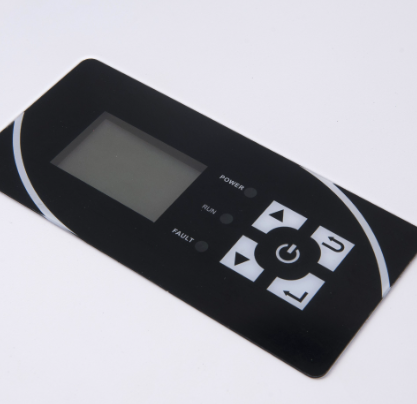
The PV580 Series Solar Pump Inverter supports AC asynchronous and synchronous pumps while accepting solar DC input or AC power from the grid or diesel backup. Its IP65-rated enclosure also supports outdoor installation, making the model relevant to agricultural sites where electrical equipment may be exposed to dust, rain, and changing temperatures. This product information illustrates how several system requirements can be addressed within one drive platform.
Power-source switching should still be planned around the site’s electrical design. Protection devices, grounding arrangements, cable sizing, and backup-generator capacity all influence how smoothly the system operates. Hybrid capability provides flexibility, but proper engineering remains essential.
Improving Water Delivery Through Control
Water output is closely connected with pump speed. Rather than operating continuously at one fixed frequency, variable-speed control allows the motor to respond to changing hydraulic requirements and available solar power. Such adjustment can help reduce unnecessary energy consumption during periods of lower demand.
A solar pump inverter manufacturer should therefore be evaluated beyond hardware availability. Control algorithms, motor compatibility, protection functions, communication options, and application support can influence the practical performance of an agricultural installation.
Pump curves provide another useful reference. They show how flow and head change as speed varies, helping engineers identify suitable operating points. Comparing these curves with expected solar availability can reveal whether the selected drive and motor combination can deliver sufficient water throughout the intended operating period.
Protecting Equipment in Agricultural Environments
Agricultural installations often sit far from controlled electrical rooms. Dust, moisture, temperature changes, insects, and direct weather exposure can create conditions that differ considerably from those found inside factories. Enclosure protection therefore deserves attention during system planning.
IP ratings describe resistance to solid particles and water under defined testing conditions. An IP65 enclosure, for example, provides dust-tight protection and resistance to water jets, but it should not be interpreted as permission for every type of water exposure. Installation location, cable entry, ventilation, and drainage still require careful consideration.
Remote monitoring can further improve operational visibility. If the system supports communication through suitable modules, operators can check running conditions without visiting distant pumping stations. Fault records and operating data can also help maintenance teams identify unusual behavior before it develops into prolonged downtime.
Building A Practical Agricultural System
Energy calculations should include more than the inverter’s rated power. Pump efficiency, motor efficiency, photovoltaic capacity, pipe friction, static head, seasonal sunlight, and expected daily water volume all affect the final system design. Oversizing one component does not automatically solve weaknesses elsewhere.
A frecon solar pump inverter becomes more useful when its electrical capabilities are considered alongside the hydraulic characteristics of the application. The PV580 platform’s support for both AC and DC input, for example, gives designers more options when existing infrastructure and renewable generation need to coexist. Such flexibility can be valuable on farms that cannot rely on uninterrupted sunshine.
Long-term operating cost also deserves attention. Maintenance access, replacement-part availability, monitoring capability, and compatibility with existing pumps can influence the total cost of ownership. Selecting equipment based solely on initial purchase price may overlook expenses that appear later during installation and operation.
Conclusion
Reliable agricultural pumping depends on a chain of decisions rather than one isolated component. Solar resource assessment, motor selection, hydraulic calculations, power-source planning, enclosure protection, and control strategy should all fit together before commissioning begins. A capable solar pump inverter manufacturer can provide the technical platform, but site-specific engineering determines how effectively that platform performs.
Remote farms can benefit particularly from flexible architectures that accommodate existing pumps and changing energy conditions. Hybrid input, suitable motor compatibility, weather-resistant construction, and monitoring functions can make solar pumping more practical across different agricultural settings.
For projects where water access, operating distance, and energy availability vary considerably, careful matching of equipment to actual field conditions remains the soundest approach. Leveraging deep renewable-energy and drive-control expertise, FRECON anchors its technology directly in system-level planning.