
Liquid Silicone Rubber Injection Molding Company: Evaluating Reliability, Service, and Lifecycle Value
LSR equipment is purchased for a production life that extends well beyond initial acceptance. Stable dosing, mixing, injection, thermal control, maintenance, and technical response all affect the useful value of the investment. For this reason, comparisons among rubber injection molding companies should examine lifecycle capability rather than a short list of machine specifications.
A liquid silicone rubber injection molding company must understand both equipment and the two-component material system. The supplier’s role can include application analysis, configuration, trials, commissioning, training, spare parts, and continuing process support. Reliability depends on how these elements work together under real factory conditions.
Application knowledge comes before machine selection
LSR is used in electronics, seals, infant-care products, food-contact items, kitchenware, and sports equipment, among other applications. Each program can impose different standards for dimensions, cleanliness, material grade, traceability, and automation. A general machine label does not establish suitability for every product.
Dekuma was founded in 2004 and focuses on rubber injection molding equipment. Its broader application portfolio includes automotive parts, power insulation, rubber tracks, glass encapsulation, sealing rings, and silicone products. That experience provides context for projects involving varied molds and control requirements.
Machine definition should start with part drawings, cavity layout, shot size, material data, cycle target, handling plan, and acceptance criteria. Utility conditions and available floor space also matter. Early clarification reduces the risk that dosing, mold access, or downstream movement becomes a late project constraint.
Representative trials provide stronger evidence than generic claims. Testing with the intended material and mold can reveal filling, venting, curing, demolding, and interface issues before shipment. Any condition that cannot be reproduced should remain an explicit commissioning item rather than being treated as resolved.
Material control determines LSR repeatability
A liquid silicone rubber injection molding company should explain how A and B components are delivered in the required ratio. Dekuma’s LSR configuration uses synchronized dosing and a static mixer, coordinated by a B&R control system. These functions support consistent preparation before injection.
The upstream material remains relatively cool while the mold supplies curing heat. Hoses, seals, pumps, mixer elements, barrel zones, and mold circuits must preserve this thermal separation. Starts, stops, and interruptions deserve defined procedures because residence time and temperature history can change material behavior.
Pressure, speed, shot volume, and switching points should be validated against cavity filling and finished-part results. More pressure is not automatically better. The correct process balances flow, venting, mold protection, cure, and dimensional stability for the approved compound and tool.
Cleanliness is another lifecycle requirement. Maintenance procedures should control contamination during component replacement or material changes. Accessible equipment, identified wear parts, and documented cleaning methods reduce variation and shorten planned service without compromising the material path.
Service capability protects production continuity
Rubber injection molding companies differ in how they manage the period after shipment. Installation guidance and commissioning transfer the tested configuration to the factory. Operator training should cover recipes, material setup, alarms, changeovers, inspection, and safe recovery, while maintenance training addresses pumps, sensors, seals, and controls.
When rubber injection molding companies are compared for LSR work, service evaluation should cover dosing equipment, mixer maintenance, material-change procedures, and diagnostic responsibility across the complete cell. A clear boundary between machine, dosing, mold, and material support reduces delay when a production deviation appears.
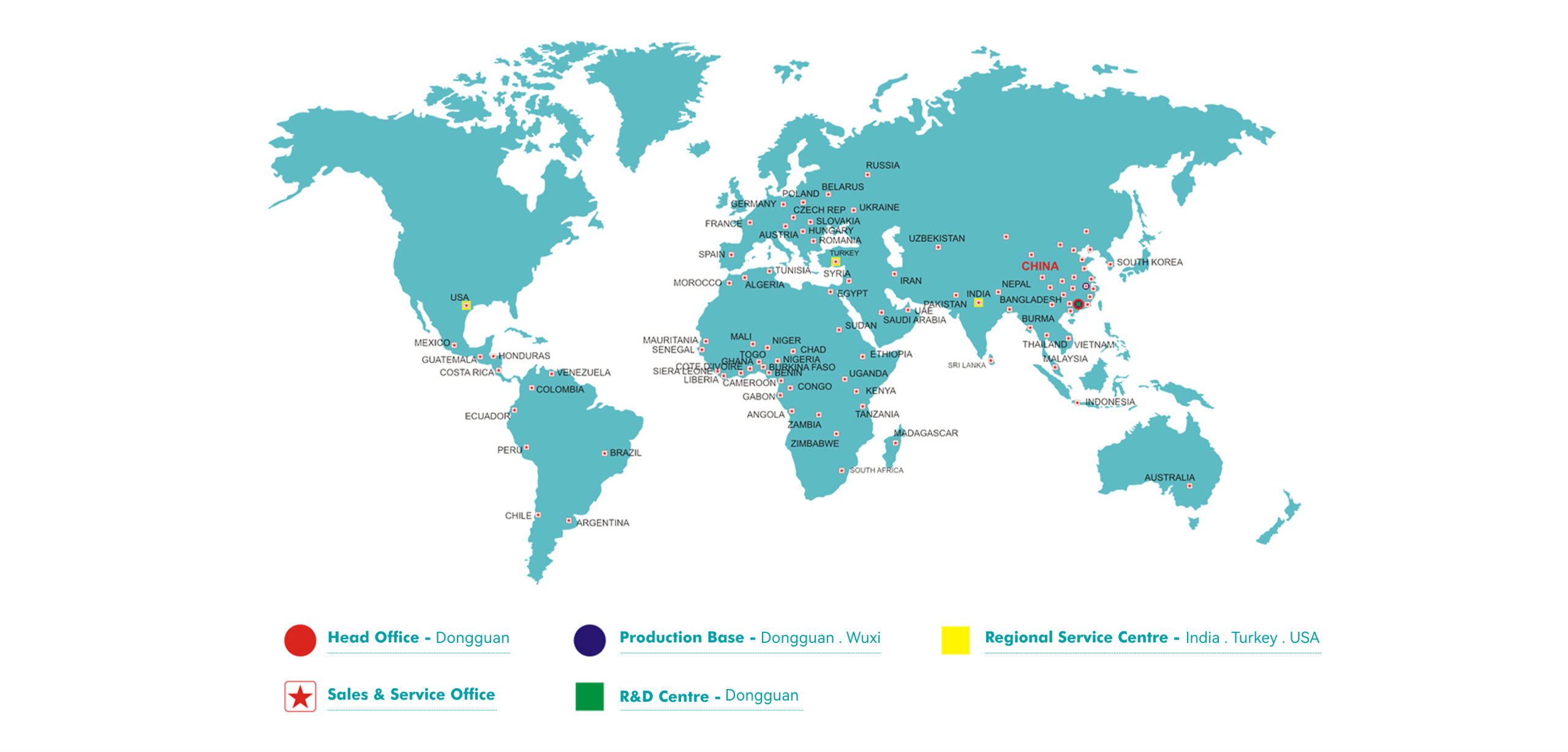
Dekuma reports service coverage in more than 50 countries and more than 1,500 customers across its business. It describes on-site inspection, pre-delivery checks, spare-parts support, tailored training, technical assistance, and feedback as parts of its turnkey structure. Project contracts should still define response channels and responsibilities.
Spare-parts planning should classify items by expected wear, lead time, and production consequence. A low-cost seal or sensor may deserve local stock if its absence stops the cell. Accurate serial, configuration, and revision records help service teams identify the correct replacement without delay.
Remote assistance can accelerate diagnosis when machine data, alarms, and recent maintenance information are available. Some issues still require on-site work or material and mold expertise. A realistic support plan identifies the boundary between remote guidance, local maintenance, and supplier intervention.
Acceptance documentation should preserve the tested material, mold revision, dosing settings, thermal conditions, and sample results. This baseline gives production and service teams a common reference when later changes are proposed or investigated.
Lifecycle evidence should guide the investment
Reliability should be measured through availability, cycle stability, scrap, changeover time, energy use, maintenance hours, and response performance. A liquid silicone rubber injection molding company may support these outcomes, but the processor must also control material storage, molds, recipes, inspections, and preventive maintenance.
Data review should connect equipment conditions with batch and quality results. Gradual changes in dosing pressure, temperature, cycle time, or alarm frequency may provide early warning. Planned investigation is generally less disruptive than waiting for a defect trend or unplanned shutdown.
Lifecycle value emerges from application fit, maintainable design, trained personnel, available parts, and accountable support. Dekuma’s capabilities are best assessed against those practical measures. Such evaluation gives the purchasing team a clearer view of sustained production risk than purchase price alone can provide.