
Project Tips for Using SMD LED Strips in Retail Displays
Retail display lighting affects how products are seen, how shelves are organized, and how the space feels during daily operation. Strip lighting must fit the display structure, electrical plan, visual target, and maintenance method. The goal is to match the lighting method to the display type and installation conditions.
An SMD LED strip light can work well in shelves, showcases, display cabinets, wall niches, and window displays when installation details are planned early. Designers should review mounting position, viewing angle, color rendering, waterproof needs, and cable access before display units enter production.
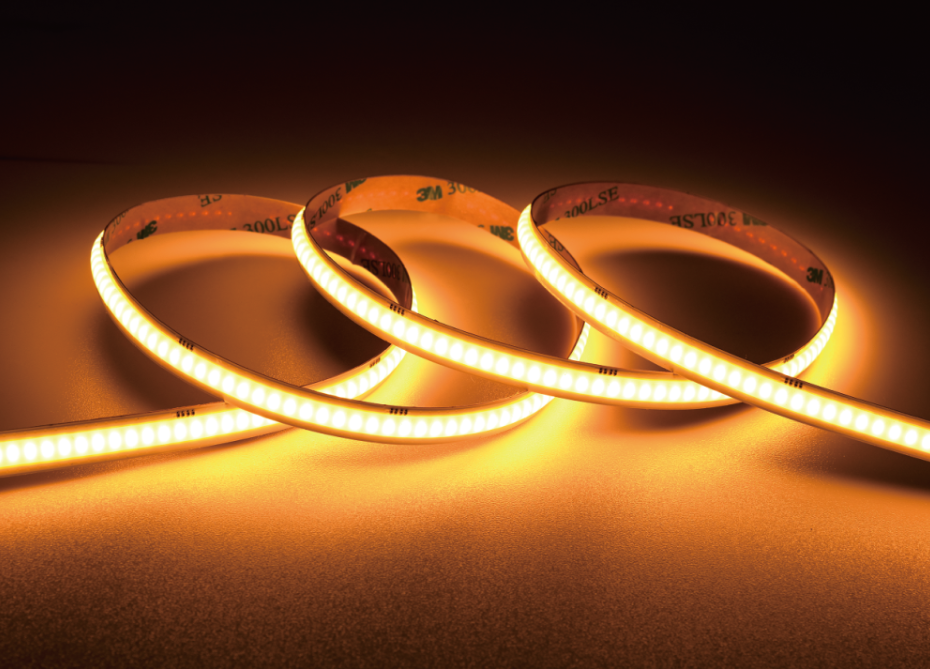
Match the Strip to the Display Structure
Retail fixtures differ in depth, material, shelf spacing, and viewing distance. A recessed strip inside a narrow shelf has different requirements from a strip placed behind a large display panel. The mounting position should be defined on the fixture drawing before installers arrive on site.
Shallow shelves often need compact lighting that does not take up much internal space. Wider displays may allow profiles, diffusers, or hidden mounting channels. Glass shelves can also reflect the light source, so the strip position should be tested before the final structure is approved.
Project teams should also decide whether the light will wash a surface, highlight merchandise, or provide background illumination. These goals affect strip placement and brightness. A practical mock-up can reveal shadows, glare, and unwanted reflections before larger quantities are ordered.
Color Rendering Matters for Merchandise
Retail lighting should show colors in a way that supports the product category. Clothing, cosmetics, food packaging, furniture finishes, and printed graphics all respond differently to light. CRI is therefore an important specification when comparing strip options.
A higher CRI can be useful where color distinction matters, but the final choice should still follow the project brief and budget. Buyers should review CRI together with efficacy, color temperature, and the actual display material instead of treating one figure as the full lighting decision.
When working with an LED strip supplier, project teams can request samples for visual checks under real shelf materials and product finishes.
Plan for Continuous and Clean Light
Visible light dots can distract from a clean retail presentation, especially in close-view applications. Display cabinets, cosmetic shelves, jewelry cases, and decorative wall details often benefit from a more continuous line of light.
The distance between the strip and diffuser also affects the result. Limited space can make dot visibility more obvious. For narrow channels, project teams should compare strip structure, profile depth, and diffuser design together.
An SMD LED strip light can still suit many retail applications when spacing, profile design, and mounting depth are planned correctly. Trial installation helps determine whether the finished line looks smooth from the expected viewing position.
Consider Water and Dust Exposure
Retail spaces are not all dry indoor environments. Lighting near entrances, refrigerated displays, beverage counters, flower areas, or semi-open shopfronts may face moisture, cleaning spray, or dust. Protection requirements should match the location.
IP20 may suit protected indoor areas, while higher protection levels can be considered where exposure is greater. Installers also need to review connectors, cable exits, and profile openings because the strip rating is only one part of the installation.
Maintenance access should remain practical. Hidden installations can look neat, but service teams still need access to drivers, connectors, and replaceable sections. This should be discussed during fixture design.
Use Product Data as Part of the Selection Process
For projects that need a narrow and uniform light source, the COB Digital Series from LEDIA Lighting provides one reference point. They offer CRI90+ efficacy up to 120 lm/W, a dot-free light effect, and a super-narrow format for space-limited applications.
The series is available with IP20, IP65, IP67, and IP68 options. CRI80+, CRI90+, and CRI95+ are also available. Its listed application areas include office, residential, retail, and decorative lighting, and the product comes with a three-year warranty.
These specifications should still be checked against the actual fixture design, ambient conditions, installation method, and visual target.
Think About Installation and Store Rollout
Large retail programs need repeatable installation methods. Strip length, cutting points, connectors, cable routing, profiles, and drivers should be documented so contractors follow the same process across stores.
An LED strip supplier should be evaluated not only by product specifications but also by how clearly technical information supports project preparation. Drawings, sample testing, packing methods, labeling, and batch consistency can affect site work and rollout planning.
For multi-store projects, teams can create a fixture schedule that links each display type to its lighting specification.
Make the Final Choice Around the Project
Good retail strip lighting starts with the display, not with a product list. Project teams should review fixture dimensions, merchandise type, viewing angle, CRI, waterproof needs, installation access, and maintenance before confirming quantities.
LEDIA Lighting can be considered as one source for strip solutions when project requirements match their available product range. They should be compared with the same technical and project criteria used for other suppliers.
A clear selection process reduces last-minute changes and helps lighting work more naturally with the retail fixture. When structure, visual effect, protection level, and installation method are reviewed together, the final specification becomes easier to apply during production and store rollout.