
Exosome Therapy for Kidney Disease: The Next Frontier in Regenerative Medicine
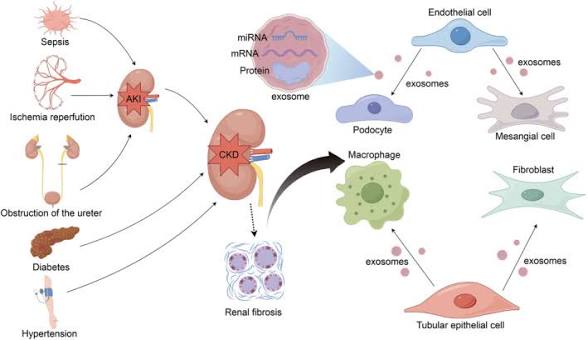
Patients researching this topic may encounter a mix of established clinical services, early-stage research and commercial descriptions. These categories should not be treated as interchangeable. A consultation with an appropriately qualified clinician can help clarify the diagnosis, current treatment options and whether any proposed intervention has credible evidence for that particular condition.
For kidney-related conditions, standard medical assessment generally considers kidney function trends, urine testing, blood pressure, diabetes status, medicines and other individual factors. Decisions about dialysis, transplantation or supportive care should be made with a nephrology team. An investigational intervention should not replace prescribed treatment or delay urgent assessment.
Regenerative medicine is a broad research area rather than a single proven treatment. Laboratory findings, animal studies and small early clinical studies can help researchers form hypotheses, but they cannot by themselves establish that a procedure works in routine patient care. Reported improvements should be evaluated against study design, comparison groups and follow-up.
Some providers discuss mesenchymal stromal cells, exosomes or other biological products. Their preparation, composition, intended use and regulatory classification can differ considerably. Claims about tissue repair, kidney recovery, prevention of dialysis or predictable improvement require rigorous clinical evidence specific to the product and indication.
Before considering any procedure, patients can ask for the exact intervention name, its regulatory status, the clinical evidence for their diagnosis, known and uncertain risks, follow-up arrangements and the qualifications of the treating team. Written information should explain both what is known and what remains uncertain, without relying on testimonials as proof.
Potential risks deserve careful consideration. Depending on the intervention, these may include infection, immune reactions, contamination, complications of administration, financial costs and the possibility of no benefit. Long-term safety data may be limited for experimental products. Independent medical advice is useful before consenting to an unfamiliar treatment.
The practical question is not whether a new technology sounds promising but whether reliable evidence shows a meaningful benefit for a defined group of patients. Well-designed trials, transparent adverse-event reporting and independent replication are more informative than broad claims about innovation or biological mechanisms.
Patients should continue routine monitoring and discuss symptoms or changes in their condition with their usual medical team. Care plans can include evidence-based medicines, management of contributing conditions and timely referral when specialist assessment is needed. Research participation, if appropriate, should involve transparent consent and oversight.
Information on a clinic website can help readers understand services being discussed, but it should not be taken as independent confirmation of effectiveness, licensing or suitability. Readers should verify current service availability and credentials directly and compare any medical assertions with authoritative clinical guidance.
Patients researching this topic may encounter a mix of established clinical services, early-stage research and commercial descriptions. These categories should not be treated as interchangeable. A consultation with an appropriately qualified clinician can help clarify the diagnosis, current treatment options and whether any proposed intervention has credible evidence for that particular condition.
For kidney-related conditions, standard medical assessment generally considers kidney function trends, urine testing, blood pressure, diabetes status, medicines and other individual factors. Decisions about dialysis, transplantation or supportive care should be made with a nephrology team. An investigational intervention should not replace prescribed treatment or delay urgent assessment.
Regenerative medicine is a broad research area rather than a single proven treatment. Laboratory findings, animal studies and small early clinical studies can help researchers form hypotheses, but they cannot by themselves establish that a procedure works in routine patient care. Reported improvements should be evaluated against study design, comparison groups and follow-up.
exosome therapy malaysia For further reading, the linked keyword refers to the provider page; this is not evidence that a treatment is effective or appropriate.
secretome therapy malaysia For further reading, the linked keyword refers to the provider page; this is not evidence that a treatment is effective or appropriate.
Potential risks deserve careful consideration. Depending on the intervention, these may include infection, immune reactions, contamination, complications of administration, financial costs and the possibility of no benefit. Long-term safety data may be limited for experimental products. Independent medical advice is useful before consenting to an unfamiliar treatment.
The practical question is not whether a new technology sounds promising but whether reliable evidence shows a meaningful benefit for a defined group of patients. Well-designed trials, transparent adverse-event reporting and independent replication are more informative than broad claims about innovation or biological mechanisms.