
Why Two-Way Radios Still Matter in a Smartphone-Driven World
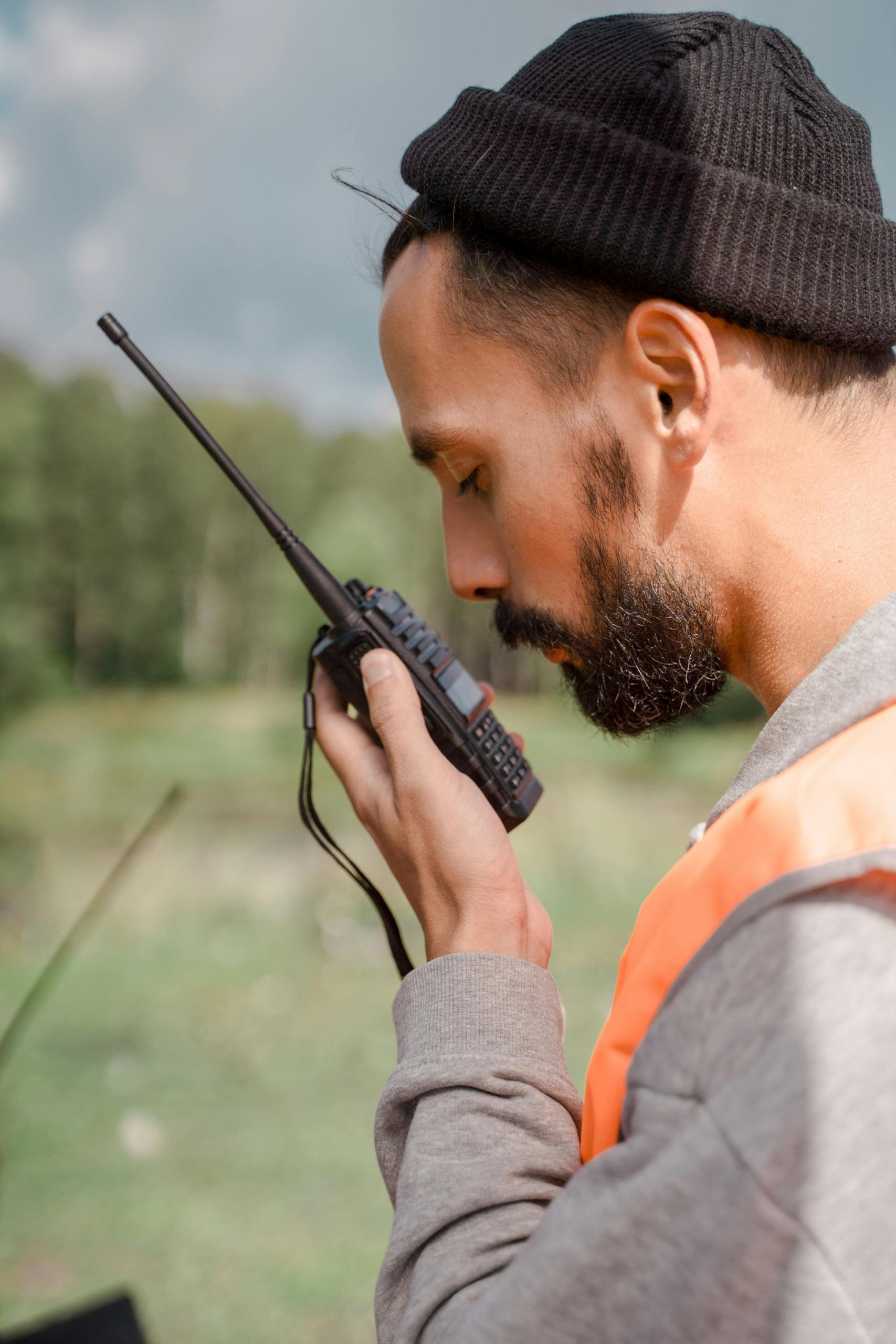
Smartphones have taken over almost every part of communication. Messages, calls, updates, coordination, it all runs through a single device now. On the surface, that should make older tools like two-way radios irrelevant. That hasn’t happened. And there’s a reason for it. In certain environments, smartphones simply don’t hold up the way people expect them to.
Reliability Isn’t Guaranteed
Most communication today depends on network strength. When the signal is stable, everything works fine. When it isn’t, things fall apart quickly, such as calls drop, messages hang, and updates come through late. That’s not a rare situation. It happens in crowded areas, remote sites, basements, large venues, and all of such places where real work is often happening.
Two-way radios don’t deal with that problem in the same way. They don’t rely on public networks. Communication stays direct, which is exactly why they’re still used in industries where delays can’t be ignored.
Emergency response frameworks, including guidance from the Federal Emergency Management Agency, continue to stress the need for backup communication systems that don’t depend entirely on cellular infrastructure.
Speed Matters More Than Features
Smartphones do a lot, but that’s also part of the issue. Every action has steps: unlock, open, search, select, then communicate. It doesn’t feel slow until timing actually matters.
With radios, there’s no process to think about. Press a button, speak, and the message goes through. That simplicity is the whole point. It removes hesitation.
In fast-paced environments, such as events, logistics, and on-ground operations, that difference shows up immediately. Small delays pile up. While radios avoid that entirely.
Battery Life Becomes a Real Problem
Smartphones are always doing something in the background. Apps refresh, notifications sync, systems run constantly. Battery drain is just part of the deal. Two-way radios are more focused. They’re built to do one job, so they last longer doing it. In many cases, they can run through an entire shift without needing a charge. That matters more in practice than it sounds. In fieldwork or outdoor operations, charging isn’t always accessible. A dead device isn’t just inconvenient; it creates gaps in communication.
Data from groups like the International Energy Agency has also pointed out how multi-purpose devices naturally consume more power than single-function equipment.
Built for Rough Use
There’s also a physical difference. Radios are designed to be handled roughly. Drops, dust, and weather, none of them is unusual in the environments they’re used in. Smartphones, even expensive ones, aren’t built with that same expectation. One bad fall, and the screen goes. Once that happens, communication is gone with it.
In controlled environments, that’s manageable. In active work settings, it’s a liability.
Communication Without Delay
Group communication is another area where radios still make more sense. One message reaches everyone instantly. No waiting, no checking notifications, no missed updates. Smartphones can do group chats or calls, but they depend on people seeing them in time. That’s not always reliable. Radios remove that uncertainty. The message is heard the moment it’s sent.
Not Competing, Just Different
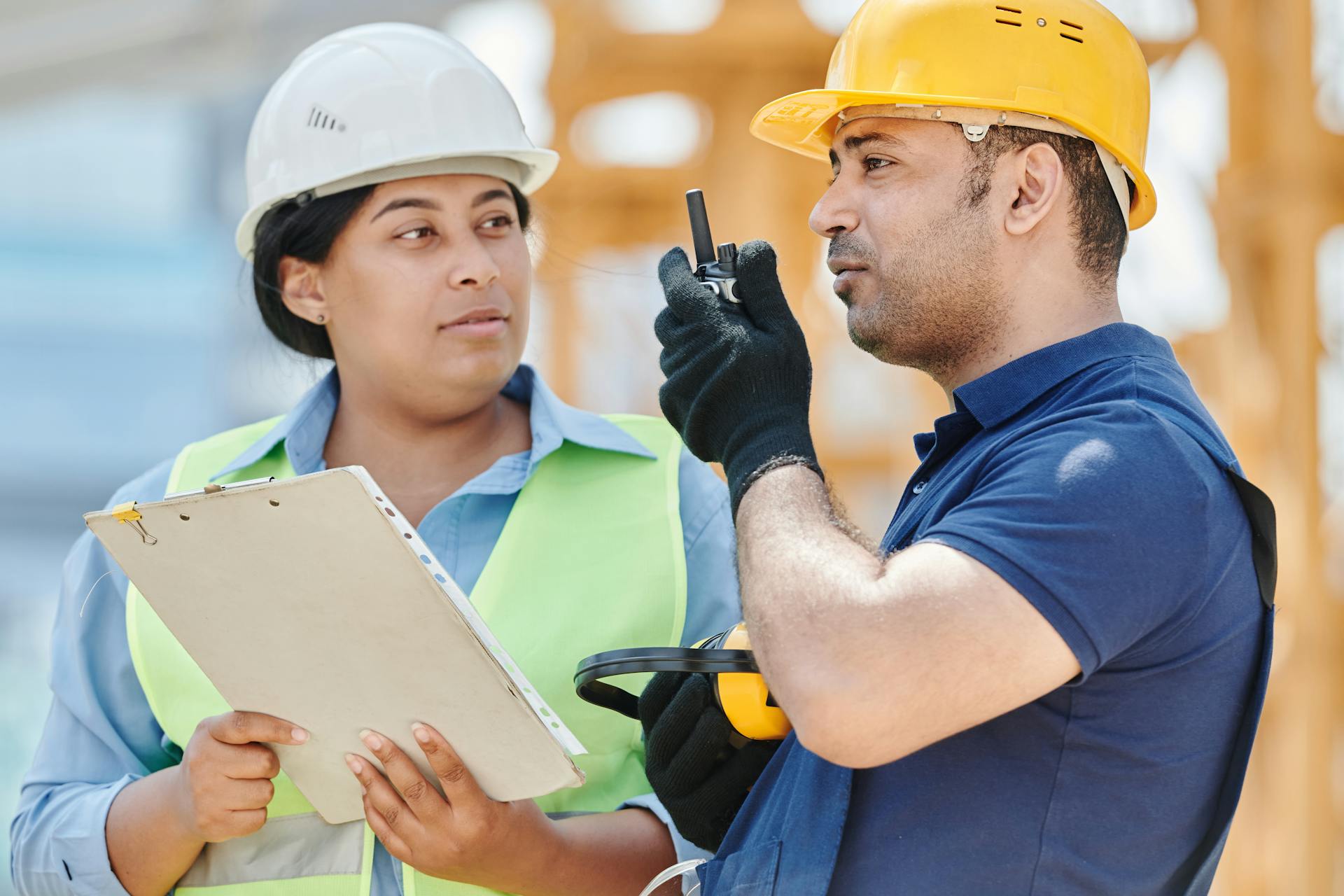
This isn’t about replacing smartphones. They handle a completely different side of communication, such as data, documentation, and coordination across distances. Two-way radios solve a narrower problem, but they solve it better: immediate, uninterrupted voice communication. That’s why both still exist side by side.
In many cases, businesses turn to providers like Roadphone when they need something built specifically for consistent, on-ground communication rather than adapting general-purpose devices.
Still Relevant for a Reason
Technology usually moves toward combining everything into one tool. That works until reliability becomes more important than convenience. Two-way radios haven’t disappeared because they do one thing well, and that one thing still matters.
Smartphones handle everyday communication. But in situations where things need to work instantly, without failure, radios are still the safer option.