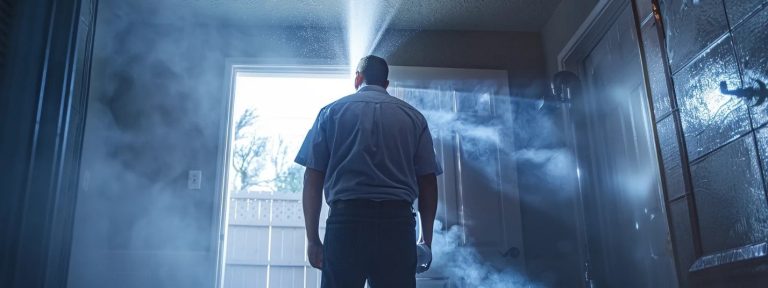
The Behind-the-Scenes Services Most Businesses Depend On

The Work Most Customers Never Think About
Most businesses are remembered for the visible stuff first. Fast replies. Clean spaces. Deliveries arriving on time. Staff who actually answer emails instead of disappearing for three days. But a lot of what keeps a business functioning properly happens far away from customers.
Nobody walks into a hotel thinking about pest control contracts. Nobody orders from a restaurant, wondering who handles grease disposal or refrigeration maintenance. Most office employees probably never think about ventilation inspections, backup generators, or fire safety testing unless something suddenly stops working.
That’s usually how operational services work. When they’re handled properly, they stay invisible.
Waste Management Has Become Far More Strict
Waste disposal is one of the clearest examples. Years ago, many companies treated it like a routine collection service. That is no longer the case, especially for industries handling regulated materials.
Healthcare providers, laboratories, warehouses, construction companies, manufacturing sites, and even some retailers now deal with disposal requirements that are far more detailed than most people realise. Certain materials cannot legally be mixed with general waste. Some require specialist transport. Others need documentation showing exactly where the waste ended up.
The rules have tightened for a reason. Poor disposal practices create real environmental and health risks, particularly when chemical materials or medical waste are involved. According to the World Health Organization, unsafe healthcare waste handling still remains a serious issue globally. A lot of businesses only realise how complicated this area has become after a compliance issue appears or an inspection fails.
That growing pressure has increased demand for specialist providers such as Novus Environmental, particularly among organisations dealing with complex or regulated waste streams that internal teams are not trained to manage alone.
The Operational Problems That Escalate Quietly
Some of the most expensive business problems usually start as small, ignored issues.
An air conditioning unit stops performing properly, but keeps getting delayed for “next month.” A warehouse skips routine equipment checks during a busy period. A restaurant ignores drainage issues because business still seems normal from the outside. Then suddenly operations stop for a day, customers complain publicly, or staff cannot work safely.
Preventative maintenance rarely gets attention. But businesses that stay operational long term usually invest heavily in the boring systems people overlook.
The same applies to cybersecurity. Most people only think about cyberattacks when a large company appears in the news after a breach. In reality, smaller businesses are often easier targets because security systems are weaker and monitoring is inconsistent. The UK National Cyber Security Centre has repeatedly warned that smaller organisations remain vulnerable because many assume attackers only focus on major corporations. That assumption has aged badly.
Cleanliness Now Affects Reputation Faster

Over the past few years, commercial cleaning has also undergone changes. Cleanliness was frequently seen as routine upkeep before COVID-19. Customers now see it right away. Workers also do. In healthcare facilities, hotels, gyms, and retail spaces especially, people notice cleanliness immediately. A dirty restroom or poorly maintained workspace can shape how customers view the entire business, even when the service itself is good. That is why many companies now put far more focus on professional cleaning, sanitation, and compliance support than they used to.
Businesses Are Under More Pressure Than Before
Another reality businesses are dealing with is documentation overload.
Companies are now expected to track far more operational information than they did even ten years ago. Environmental reporting, safety inspections, disposal records, employee training logs, cybersecurity policies, supplier checks, the list keeps growing. Most customers never see any of this. But businesses spend huge amounts of time managing these responsibilities behind the scenes simply to remain compliant.
The companies adapting best are usually not the loudest ones online. In many cases, they are simply the businesses taking operational support seriously before problems appear. That part rarely gets attention publicly, but it often determines which companies stay stable when pressure increases.