
Leveling Up Aim: How a Player Really Grows Their Skill
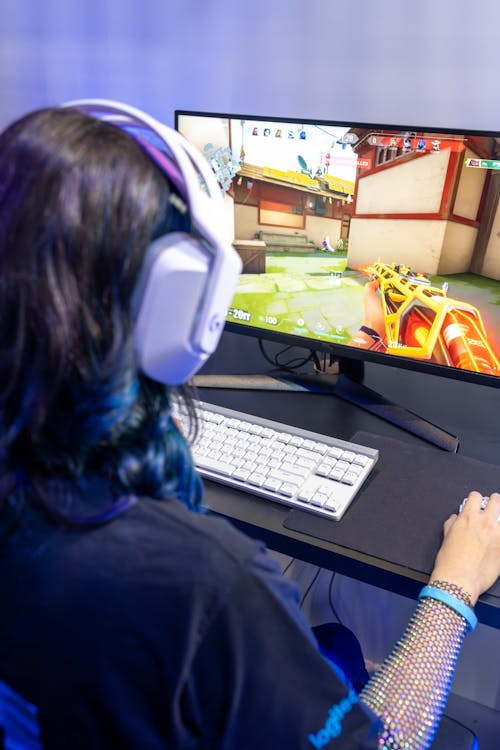
When Every Missed Shot Hurts
There is a moment many players know too well: the round is on the line, the enemy swings into view, and the shot whiffs by a pixel. The heart drops, the screen goes gray, and the thought hits: “Why can’t I just hit consistently?” It feels personal, almost unfair, as if everyone else got some secret aim upgrade at birth and this one player was skipped.
Around them, the whole digital world is yelling at once. The match is over and, instead of just leaning back and breathing out, the player instantly slams alt-tab: socials, streams, memes, and maybe a quick peek at a promo from x3bet casino — notifications exploding all over the screen like fireworks. In that storm of sound and light, it’s painfully easy to forget one simple thing: aim isn’t some mysterious gift. It’s a skill that grows when someone really trains it, looks their mistakes in the eye, and sticks to settings that actually feel natural.
Step One: Turning Chaos Into a Training Plan
Most people “practice” by spamming ranked games and hoping today will magically be different from yesterday. The players who actually improve treat their sessions more like a workout than a random queue marathon.
Focused drills (20–30 minutes) – specific tasks: headshot-only, recoil control, crosshair placement paths
- Ranked or scrims (a set number of games) – not “until tilt,” but a fixed, sane amount
This structure does something important: it separates training from proving. During drills, the player doesn’t need to be a hero. They just need to show up, repeat movements, and pay attention to what feels off. By the time they enter ranked, their hands are warm, not frozen; their mind is focused, not scattered.
Step Two: Owning Mistakes Instead of Escaping Them
After a bad match, it’s so tempting to slam the “leave game” button and mentally blame everything and everyone else: teammates, lag, “broken” guns, unfair maps. But the players who truly grow are the ones who sit in that discomfort for a little bit longer. They open the replay or VOD and dare to watch themselves fail.
They pause and ask very concrete questions:
- Where was the crosshair before the enemy peeked – at head level or floating at the floor?
- Did they walk into angles with zero info while teammates pinged danger on the minimap?
- Were they re-peeking the same spot out of pure anger, not logic?
That kind of self-review is painful at first. It strips away comforting excuses and shows patterns: wide swings with no utility, panic spraying when a simple burst would do, blind rushing because the timer felt scary. But once a pattern is visible, it becomes something that can be trained, not just suffered.
Simple habits that make review actually useful:
- Picking one or two rounds per session and watching them slowly
- Writing down one mistake to focus on next time, not ten
- Treating the replay like someone else’s gameplay – less ego, more curiosity
Step Three: Sensitivity and Crosshair That Feel Like Home
Settings are the quiet foundation under every flick and every spray. Still, many players treat them like fashion: change today, change tomorrow, change again after one bad match. The result? Muscle memory never has a chance to settle.
A more mature player finds a middle-ground sensitivity – usually on the lower side – that lets them do full arm movements without feeling out of control. They test how far they need to move the mouse to turn 180 degrees, how it feels to track a close target, how stable it is for long-range taps. When something finally clicks, they stop touching the numbers. They protect that setting like a good pair of shoes.
When the player looks at the screen, their brain should instantly know: “This tiny shape is where the bullet will go.”
Things that help settings work with the player, not against them:
- Picking one sensitivity and staying with it for weeks, not days
- Choosing a crosshair that stands out on all maps, not just one favorite
- Lowering flashy graphic effects that clutter vision and delay reaction
Step Four: Protecting the Mind So the Hands Can Work
Skill doesn’t disappear when a player has a bad day. What disappears is patience. Tilt creeps in silently: shoulders tense up, breathing gets shallow, the next queue starts without a second thought. The matches blur into a spiral of frustration and stubbornness.
A player who respects their own time sets emotional boundaries. They decide in advance: after two clearly tilted games, they stop. They stretch, drink water, maybe step outside for a few minutes. They remind themselves that one session doesn’t define their worth.
They also limit how much of their identity is tied to a rank or a K/D number. When self-esteem sits entirely inside the game client, every lost round feels like an attack on their character. That pressure makes aim stiff and slow.
When Effort Finally Starts to Show
From the outside, it may still look like “talent.” The same player who used to miss sitters suddenly holds angles with calm confidence. Their crosshair shows up exactly where enemies appear. Reactions look faster, but inside, everything feels slower, more controlled.