Entertainment Highlights From Popular Culture
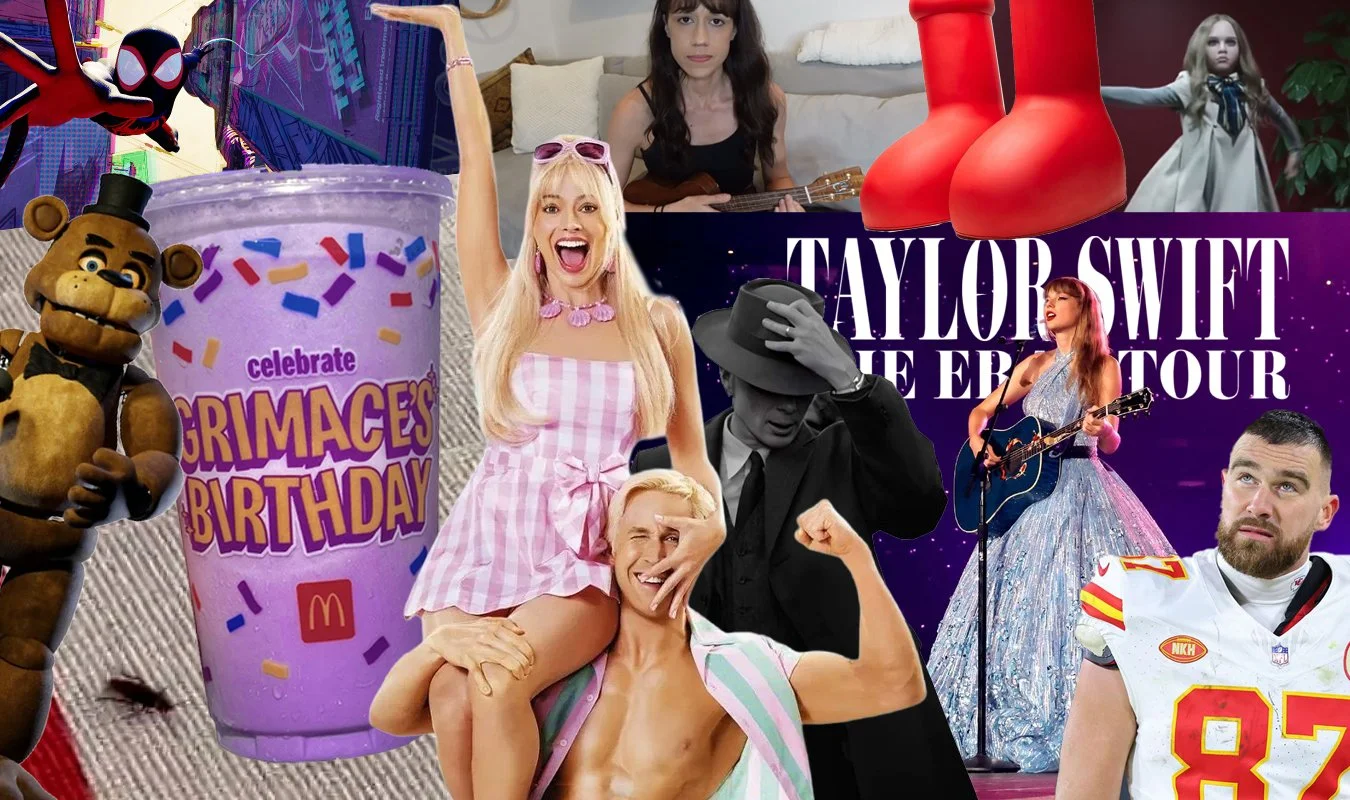
Entertainment has always been a reflection of the way people live, think, and connect with one another. From movies and television shows to music, celebrity culture, streaming platforms, and social media trends, popular culture continues to influence everyday conversations. What people watch, listen to, and share can quickly become part of a much larger cultural moment.
Today, Entertainment is no longer limited to traditional television channels, cinemas, or radio stations. Audiences have Raja Luck choices than ever, and digital platforms have made it easier for people to discover content from different countries, cultures, and creative industries. This changing environment has created new opportunities for artists while giving audiences greater control over what they consume.
The Changing Face of Entertainment
The Entertainment industry has changed significantly over the past few decades. In the past, audiences often depended on scheduled television programs, movie releases, physical music albums, and local media outlets. Now, people can access thousands of movies, songs, shows, podcasts, and short videos from almost anywhere.
Streaming services have played a major role in this transformation. Viewers can choose what they want to watch instead of waiting for a program to appear at a specific time. This flexibility has also changed the way shows are produced, promoted, and discussed.
Social media has added another important layer. A movie scene, song, interview, or celebrity moment can become widely discussed within hours. Sometimes, a small moment from a television program can attract more attention online than the original release itself.
Audiences Have More Control
One of the biggest changes in modern Entertainment is audience choice. People are no longer restricted to a small selection of mainstream content.
For example, someone interested in international cinema can easily discover films from different regions. A music fan can explore independent artists without waiting for traditional radio stations to introduce them. Similarly, viewers can find documentaries, comedy specials, reality programs, and niche series that match their personal interests.
This greater choice has made Entertainment more personal. Instead of following one shared schedule, audiences increasingly build their own collections of favorite content.
Movies Continue to Shape Popular Culture
Movies remain one of the most influential parts of popular culture. A successful film can introduce memorable characters, popular phrases, fashion trends, music, and even new ways of thinking about familiar subjects.
Big-budget productions often receive global attention because of their large casts, visual effects, established franchises, or well-known directors. At the same time, smaller productions can create powerful cultural conversations through strong storytelling and original ideas.
Why Certain Films Become Cultural Moments
Not every successful movie becomes a lasting cultural phenomenon. Films that connect strongly with audiences often offer something beyond entertainment.
Several factors can contribute to their impact:
- Memorable characters that audiences can relate to
- Stories that create emotional connections
- Strong performances from actors
- Distinctive visual or musical styles
- Themes that encourage discussion
- Effective promotion and audience engagement
A movie may also become popular because people enjoy discussing it after watching it. Online communities can keep conversations alive long after a film leaves theaters.
Television and Streaming Are Driving New Trends
Television has also evolved as audiences have moved toward on-demand viewing. Streaming has made serialized storytelling particularly popular because viewers can watch multiple episodes according to their own schedules.
This has changed viewing habits. Some people prefer watching an entire season over a weekend, while others enjoy taking their time with a few episodes each week.
Streaming has also created opportunities for stories that might not have received enough attention through traditional broadcasting. Different genres, languages, and storytelling styles can now reach international audiences more easily.
The Rise of Global Stories
Modern Entertainment is increasingly international. A series produced in one country can become popular thousands of miles away, especially when subtitles or dubbing make it accessible to wider audiences.
This has encouraged viewers to explore unfamiliar storytelling traditions. It has also allowed performers, directors, writers, and musicians to gain recognition beyond their domestic markets.
As audiences become more comfortable with international content, popular culture is becoming less dependent on a single country or industry.
Music Remains a Powerful Cultural Force
Music has always had a close relationship with popular culture. Songs can define periods of people’s lives, influence fashion, inspire online trends, and bring communities together.
Digital platforms have transformed music discovery. Listeners can find established performers alongside independent musicians, emerging artists, and creators from countries they may never have encountered through traditional media.
Social media has also changed how songs become popular. A short section of a track can become associated with a dance, challenge, video format, or memorable online moment. This can introduce an artist to millions of new listeners.
More Than Just a Song
A successful song often becomes part of a broader cultural experience. Its popularity may be connected to a film, television series, sporting event, social media trend, or personal experience shared by listeners.
For artists, this means building a connection with audiences can be just as important as releasing music. Behind-the-scenes content, interviews, live performances, and direct communication can all help strengthen that relationship.
Celebrity Culture and Public Attention
Celebrities remain an important part of Entertainment, but the relationship between public figures and audiences has changed.
In earlier decades, fans primarily learned about celebrities through magazines, television interviews, newspapers, and entertainment programs. Today, many public figures communicate directly with audiences through social platforms.
This direct connection can make celebrities feel more accessible. Fans may see photographs, announcements, interviews, or personal updates almost immediately.
However, constant visibility also creates challenges. Public figures often face intense attention, and a single statement or post can generate widespread discussion. This makes responsible communication especially important in an environment where information can spread rapidly.
Social Media Is Creating New Forms of Entertainment
Social media platforms have developed into major Entertainment spaces themselves. Short-form videos, livestreams, creator content, comedy clips, interviews, and interactive posts now compete with traditional forms of media for people’s attention.
The barrier to becoming a creator is also lower than it once was. Someone with a smartphone, creativity, and a consistent idea can potentially build an audience without working for a traditional media company.
Creators Are Part of Popular Culture
Online creators have become important cultural personalities. Some specialize in comedy, while others focus on gaming, fashion, food, travel, commentary, education, or everyday life.
Their influence can extend beyond social media. Successful creators may work with brands, appear in traditional media, launch products, produce shows, or collaborate with established entertainers.
This development has made the Entertainment industry more diverse. Audiences can now discover personalities based on shared interests rather than simply following people promoted by traditional media organizations.
Why Nostalgia Remains Popular
Another noticeable trend in popular culture is the continuing appeal of nostalgia. Older movies, television shows, songs, fashion styles, and characters are frequently rediscovered by newer generations.
Nostalgia works because familiar Entertainment can create emotional connections. A person may return to an old movie because it reminds them of childhood, while another listener may discover an older song through a parent or an online recommendation.
Studios and creators sometimes respond to this interest through remakes, reunions, sequels, re-releases, or anniversary celebrations. When handled thoughtfully, these projects can introduce familiar stories to new audiences while giving longtime fans something meaningful to revisit.
What the Future May Look Like
The future of Entertainment will likely continue to be shaped by technology, audience behavior, and changing creative expectations. Digital distribution will remain important, while traditional formats may continue adapting rather than disappearing completely.
Personalization is also likely to remain a major part of the experience. Audiences increasingly expect content that fits their interests, schedules, languages, and viewing habits.
At the same time, the fundamentals of good Entertainment are unlikely to change. Strong storytelling, memorable performances, creativity, humor, emotion, and originality will continue to matter regardless of the platform delivering them.
Conclusion
Entertainment is much more than a way to pass the time. It shapes conversations, influences trends, connects people, and provides a window into different cultures and experiences.
From movies and music to streaming series, celebrity culture, and online creators, popular culture continues to evolve alongside its audience. The biggest change is that people now have more ways to discover and participate in Entertainment than ever before.
As technology continues to develop, new formats will undoubtedly emerge. Yet the most successful content will still be the kind that makes people laugh, think, feel something, or share the experience with others. That human connection is what keeps Entertainment at the center of popular culture.