
How to Choose the Right Chairs for Your Bangkok Event
Match the Chair to the Event and the People
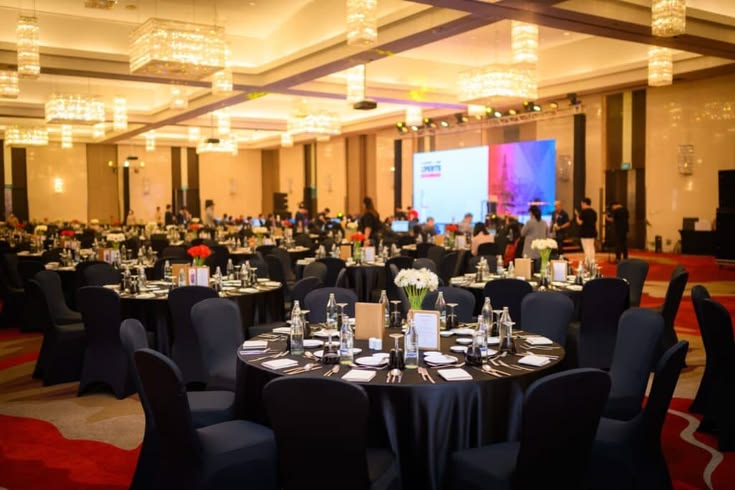
A chair may look like a small detail, but guests notice it for most of the event. I would start with three simple questions: What will guests do, how long will they sit, and what mood should the space create? A formal wedding dinner often suits Chiavari, crystal, cross-back, or padded banquet chairs because these styles give the room a clean and polished look. A company seminar needs a chair that supports the back during long sessions and stays comfortable after lunch. A short birthday party or casual garden gathering may work well with simple plastic chairs, especially if the team must move them several times. The guest list matters as much as the theme. Older relatives may value a padded seat and a firm back more than a fashionable shape. Children need safe spacing around their chairs, while guests in formal clothes need enough room to sit and stand without hitting the next table. Think about the full schedule too. A chair that feels fine during a twenty-minute ceremony may feel hard during a three-hour dinner. If the same chair will serve the ceremony, meal, and speeches, comfort should come before a dramatic design. Color also affects the room. Gold Chiavari chairs can suit a classic wedding, clear chairs can keep a small room looking open, and natural wood can soften an outdoor setting. Do not choose from a close-up photo alone. Ask for the chair width, seat height, cushion details, and recent photos of the actual rental stock. If possible, test one chair with the table that you plan to use. A beautiful chair can still sit too low, catch on a tablecloth, or leave too little space between guests. My basic rule is simple: choose the chair for the person who will sit in it, then check whether its style supports the event.
Create a Comfortable Plan for Bangkok Weather
Bangkok events need a clear weather plan, even when the forecast looks calm. Heat, sun, wind, and rain can change the way a chair feels and the way a seating plan works. An uncovered metal or dark plastic seat can become hot before guests arrive. A padded chair can hold moisture if rain reaches the fabric. A light chair can also become a poor choice on an exposed rooftop if the venue expects strong wind. I would plan the chairs, tables, shade, and rain cover as one layout instead of ordering each item on a different day. For an outdoor wedding, place guest comfort first. Check where the sun will fall during the ceremony, leave clear routes to shelter, and keep spare dry chairs in a protected area. If you plan to use a canopy, a practical เช่าเต็นท์ (Tents) service can help you compare tent sizes with the complete seating plan and select related items from one supplier. The useful point is coordination. The tent must hold the chairs, tables, aisles, service routes, stage area, and any fans or cooling equipment. Tent poles and side panels can reduce usable space, so the outside dimensions do not tell the full story. Picture a dinner for eighty guests. Eight tables and eighty chairs may fit on paper, but servers still need room to carry food, guests need space to pull out their seats, and the event team needs clear access to the stage and exits. A tight plan can make a large tent feel small. Ask the supplier or venue to mark the real floor area before you approve the order. You should also decide what happens if rain starts during setup, during the ceremony, or halfway through dinner. The answer may include side covers, a covered path, dry storage, floor mats, or a move to an indoor room. A good weather plan should feel simple on the event day because the hard decisions happened earlier.
Check the Surface, Space, and Delivery Route Before Booking
The venue can reject a chair choice even when the chair suits the event. I always recommend checking the exact seating area before signing a rental order. Indoor ballrooms usually offer a level floor and easy chair placement, but the venue may require protective pads under chair legs. Grass needs a different check. Soft soil can make narrow legs sink, and wet ground can leave chairs uneven. Gravel can make lightweight chairs unstable. Decorative tiles can scratch, while old wooden decks may have gaps that catch slim chair legs. Rooftops create another set of questions. The building may limit furniture weight, delivery hours, elevator use, or the type of items allowed near open edges. Ask the venue manager for written rules instead of relying on a quick phone answer. Then walk the full delivery route. Find the loading point, parking space, service entrance, elevator, stairs, narrow doors, and final seating area. A truck may reach the property but still stop far from the garden. A service elevator may fit people but not a tall stack of chairs. The building may allow deliveries only before office hours or after residents leave for work. These details affect labor, setup time, and cost. Give the rental company photos, measurements, and a contact person at the venue. Ask whether the team will place every chair or leave stacks in one area. Confirm who will remove packaging and who will collect the chairs after the event. You should also count usable space, not total floor space. Columns, buffet tables, speakers, gift tables, photo areas, and service stations all take room from guests. Test one complete table setting if the venue feels tight. Place the table, linen, plates, and chairs in their real positions. Let two people sit back to back and try to stand at the same time. This short test can reveal a problem that a digital floor plan hides. Good access and clear spacing rarely appear in event photos, but they shape how calm and comfortable the day feels.
Confirm the Order and Protect Guest Comfort
A final chair order should state more than a model and a quantity. Confirm the chair name, color, cushion color, condition, delivery date, setup time, collection time, and full price. Ask whether the quote includes transport, placement, removal, tax, overtime, stairs, long carrying distances, and late-night pickup. If the venue requires Friday delivery for a Saturday event, check whether the extra day changes the price. If collection must happen as soon as the party ends, confirm that the removal team can enter at that hour. Order a small reserve for unexpected guests, damaged items, or a last-minute layout change, but ask where the spare chairs can stay without blocking a corridor. Request current photos of the stock, since rental chairs can look different after many events. On delivery, check a sample before the full setup begins. Look for loose joints, unstable legs, torn cushions, stains, sharp edges, and uneven heights. Ask the team to replace any chair that feels unsafe or looks out of place. Then view the room from a guest’s position. Can people reach their seats without moving other chairs? Can older guests sit near an easy exit? Can families keep children close? Can servers move behind occupied chairs? These questions matter more than perfect symmetry. For example, a wedding couple may want every chair in a straight line, but a narrow aisle can slow service and make guests feel trapped. A slightly wider layout often feels better and still looks neat in photos. The best chair choice joins four needs: comfort, appearance, venue fit, and reliable delivery. Start with the people, test the space, prepare for Bangkok weather, and put every service detail in writing. That process may take one careful conversation with the venue and supplier. It can prevent hours of stress on the event day, and it allows guests to focus on the celebration instead of the seat beneath them.