
The Global Rise in Game Day Food Culture from London Pubs to Klang Kopitiams
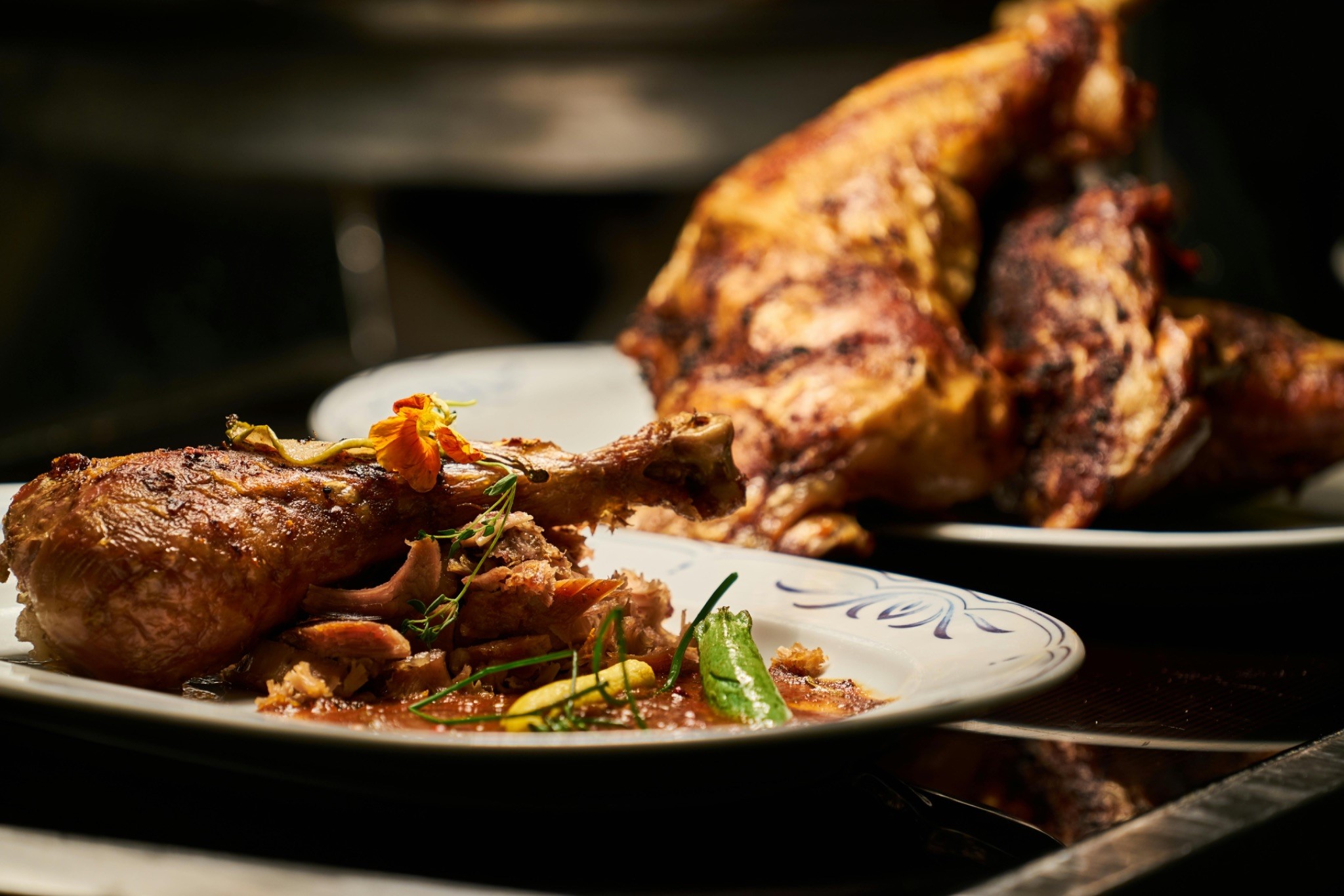
Across the world, match‑day rituals have elevated food from mere fuel to cultural signals. When fans gather—whether in London’s historic pubs or those neon‑lit kopitiams of Klang—the shared meal becomes part of the spectacle. The smell, the gestures, the shared plate—these moments are no longer just background noise. From Klang to Camden, food moves with the match—woven into the rhythm, as vital as the whistle or the roar. It’s no longer beside the game. It’s part of it.
Where Passion Meets Precision
The build-up starts early. Streets grow dense, doorways stay open, voices stretch down the block. In Paddington, two friends go for another round—no glance at the clock, no rush. In Johor, the fire’s already going—sticks of satay laid out in rows, smoke rising before the game’s even on. Over in Malaysia chairs scrape as more people squeeze in, wings arrive faster than beers. Klang is quieter, but just for a second—someone tears off a piece of toast, someone else stirs kopi, and without saying much, they all turn to the screen.
In recent years, another routine has slipped into the rhythm of match day. While food arrives and friends settle in, some quietly open apps, scan odds, and make their picks. Online betting Malaysia isn’t a sideshow—it’s part of the anticipation. With platforms built for local habits and language, and the ability to follow every moment live, it’s become a natural part of how fans engage. Offers come and go, features like early cash-out make it feel more personal, and for many, it’s just another way to stay close to the action.
This dual devotion—to tradition and strategy—shapes how match day is experienced, from the first bite to the final whistle. The way supporters read the game, weigh up the odds, and follow every turn holds meaning of its own—much like the dishes they gather around. Whether it’s a shared meal or a carefully placed bet, it’s all rooted in the same drive: to feel connected, to belong to something larger than the moment.
Hearty Traditions in London’s Pubs
London’s pubs have long served as crucibles of football passion. Nestled amid dark wood and low ceilings, these venues hum with anticipation. Central to the experience is the meat pie. Originally the preserve of working‑class football grounds, the meat pie has metamorphosed into a gourmet staple.
Classic steak‑and‑kidney or pint‑sized Scotch pies continue to define game‑day menus. What once was a simple pastry parcel no longer suffices. Today’s fans savour artisanal variations—locally sourced meats and handcrafted pastry contrast sharply with mass‑produced originals.
Socially, sharing pie and pint binds patrons in communal ritual. The act transcends nourishment; it becomes a statement of allegiance and tradition. Pie‑and‑a‑pint deals remain iconic, especially in clubs across Bristol and the West of England.
London pub staples:
- Traditional meat pies (Steak, Scotch, artisan variations)
- Ploughman’s‑style boards: cheese, pickles and bread
- Crispy chips with malt vinegar
- Sausage rolls with brown sauce
- Sticky toffee pudding as post‑match treat
Kopitiam Culture in Klang: Late‑Night Thrills and Spices
Shift continents, and the scene changes—but the message remains: game‑day is a sensory feast. In Klang Valley’s kopitiams, match‑day extends well beyond the stadium. Flickering TV screens show live football. Plates arrive piping hot. A favourite is Maggi goreng—spicy instant noodles stir‑fried with egg, vegetables and soy.
Maggi goreng’s simplicity and zest suit the kopitiam atmosphere. At spots like Syed Bistro in PJ, fans gather late into the night, sharing meals while cheering goals. Nasi lemak, char kway teow and satay skewers often appear on menus as spontaneous second helpings.
The ambience is informal—families, friends and total strangers bound by the same passion. The kopitiam becomes a social nexus where local flavour meets sporting loyalty.
Klang game‑day favourites:
- Maggi goreng with fried egg
- Nasi lemak with sambal and anchovies
- Char kway teow with fresh prawns
- Satay skewers with peanut sauce
- Teh tarik to wash it all down
Evolution of Sports‑Day Menus: A Shared Dialogue
Not confined to pubs or kopitiams, today’s sports‑day menus reflect global palates. In UK arenas, chip shops and burger vendors now mingle with artisanal stalls. Vegan and vegetarian options have claimed central space next to classics such as fish and chips or gourmet pie.
Similarly, in Klang, the kopitiam culture reflects a unique blend of simplicity and nostalgia. Toasted bread with kaya and butter, soft-boiled eggs, and sweet milk tea are staples that accompany everything from casual breakfasts to late-night football gatherings. While some dishes have evolved, many kopitiams preserve these familiar flavours, offering fans a comforting backdrop to the excitement of match day.
A Ritual of Connection: Beyond Food
The symphony of clinking glasses, murmur of conversation, the shared gasp as a goal is scored: these are the settings where game‑day fare gains meaning. In London, the rise in in‑venue food orders on Premier League days signals a deeper craving—food as anchor to the experience, not an afterthought.
In Malaysia, the match doesn’t end with the final whistle—it lingers in kopitiams long after dark. As kick-off nears, tables disappear beneath plates and leaning arms. Voices rise, then fall. Bowls clink, chairs inch closer. A hush settles—steady, expectant—as all eyes turn to the screen. It’s never just about what’s on the plate—it’s how the food fills the gaps between moments, how it settles into the hush before a free-kick or punctuates the cheer after a near miss.
The match sets the pace at the table. A bite disappears just as the players line up. Dishes shift as the second half begins. Laughter returns with the final whistle, scattered between empty plates. Smoke drifts from the grill. A hint of chilli in the air. Someone lifts a fork, then pauses—the striker’s winding up. For a moment, nothing moves. The food doesn’t fill silence; it shares it. It holds people in the same breath, same beat. Not a side act. Not background. Just part of being there.
The meat pie’s crust, the spicy tangle of noodles, the tang of satay—it all carries more than flavour. It is a ritual passed from hand to hand, a signal of presence, a way to be part of the story. It doesn’t cheer, but it listens. It doesn’t chant, but it stays. A sensory teammate. A companion to the drama. A quiet constant in the roar.
More Than a Meal: A Shared Ritual of Belonging
Game‑day food culture has long moved beyond its original form. It no longer clings only to terraces or television rooms. It follows the crowd, settles in city corners, lives on side streets and behind steamed windows.
In London, the meat pie endures. Flaky, hot, familiar. Not just food, but part of the atmosphere—a thread in the fabric of Saturday afternoons. A symbol of habit, of community, of knowing what matters. In Klang, the kopitiam lights stay on long after the final whistle. Maggi goreng arrives sizzling. Nasi lemak, fragrant and precise. The match plays on, but the real connection is around the table.
From these two places, across cultures and cuisines, one thing becomes clear. Fans eat not only to stay full, but to feel part of something. A table becomes a touchline. A shared dish becomes a tradition.
This is food that speaks. Without needing to shout. Without pretence. Each plate tells a story. Where we’ve been. What we cheer for. Who we stand beside. And in that rhythm—bite, chant, cheer, sip—we find more than taste. We find belonging.