
3 Smart Slow-Play Tips to Maximize Value With Your Strong Hands
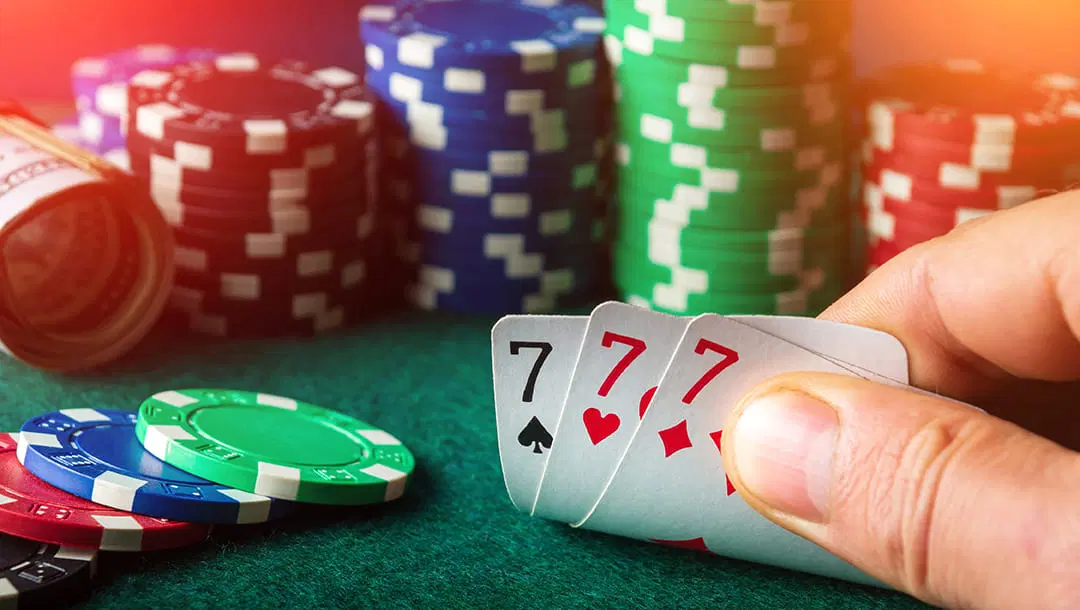
Slow-playing can be a powerful strategy when used correctly—but a costly mistake when used carelessly. Many players love the idea of “trapping” opponents, but slow-playing requires specific conditions to actually work. Whether you’re practicing in free poker apps like Master Poker, playing casual home games, or grinding competitive tournaments, knowing when (and how) to slow-play can turn your strongest holdings into maximum-profit monsters.
Below are three expert-backed tips that show when slow-playing makes sense—and when it’s better to fast-play instead.
1. Slow-Play Only on Safe, Low-Risk Boards
Slow-playing works best when the board is dry and unlikely to change dramatically. If you have a strong hand—like top set or an overpair on a low, uncoordinated flop—you’re generally safer allowing opponents to catch up slightly.
A good board for slow-playing might look like:
- K♣ 7♦ 2♠ after flopping top set
- Q♠ Q♦ 4♣ when you hold the case queen
- A♥ 9♣ 2♦ with A9 for top two pair
On these boards, opponents have limited draws available, meaning fewer scare cards can ruin the value of your strong hand. You’re giving your opponents room to make second-best hands—while keeping your risk controlled.
But remember: if the board is wet, coordinated, or heavy with draws, slow-playing becomes dangerous and often costly.
2. Use Your Table Image to Decide Whether to Trap
Your table image plays a huge role in how effective your slow-play will be. If you’ve been aggressive or loose recently, opponents may feel more comfortable calling (or even bluffing into) you. That makes slow-playing far more profitable.
On the other hand:
- If you’ve been tight, opponents might shut down when you suddenly show interest in a pot.
- If you’ve just shown down strong hands, players may avoid giving you action.
- If you’re sitting with passive players, they may not build the pot on their own.
Slow-playing works best when your opponents are capable of firing multiple bets with second-best hands or bluff attempts. Aggressive tables = great trapping conditions. Passive tables = not so much.
3. Always Have a Plan for Future Streets
One of the most common mistakes Pokernow players make is slow-playing without considering how the hand might develop. Each street should have a purpose—especially if you’re letting your opponent take the lead.
Before slow-playing, ask yourself:
- What turn cards help me?
- What turn cards hurt me?
- Is my opponent likely to keep betting?
- How will I extract value later if they check back?
If the turn or river can bring danger cards—flushes, straights, overcards—slow-playing becomes riskier. In these situations, build the pot early and deny equity.
But if your opponent loves to fire again on the turn, letting them hang themselves with extra chips can be incredibly profitable.
Wrapping It Up
Slow-playing isn’t about being tricky—it’s about understanding when your opponents are likely to give you value without you having to force it. By choosing the right boards, reading table dynamics, and planning ahead, you can convert your strongest hands into huge pots while keeping your risks minimal.
Master these three tips, and you’ll start slow-playing with purpose—not just hope.